

Solo travel is one of the most exciting and rewarding experiences you can give yourself. When you travel alone, you get to make all the decisions, meet new people on your own terms, and discover things about yourself that you never knew existed. However, traveling by yourself also comes with unique challenges that require careful planning and smart thinking. Whether you are planning your first solo trip or your tenth adventure, understanding how to stay safe and confident will make your journey much more enjoyable.
- Why Solo Travel Changes Your Life
- Planning Your Solo Trip the Smart Way
- Staying Safe in New Destinations
- Making Friends While Traveling Solo
- Managing Money and Important Documents
- Navigating Transportation Safely
- Eating and Exploring Like a Local
- Handling Emergencies on Your Own
- Building Your Solo Travel Confidence
- Frequently Asked Questions
Many people dream about solo travel but feel nervous about taking that first step. The good news is that millions of people travel alone every year and have amazing experiences. With the right preparation and mindset, you can explore the world safely while creating memories that will last forever. This guide will share practical tips that actually work in real situations, helping you feel ready for your solo adventure.
Why Solo Travel Changes Your Life
Traveling alone teaches you things that no other experience can. When you are in a new place without anyone familiar by your side, you learn to trust yourself and make quick decisions. You become more independent and discover strengths you did not know you had. Solo travel also opens doors to authentic connections with local people and other travelers because you are more approachable when you are alone.
During my solo trips across different countries, I found that being alone actually helped me experience places more deeply. Without the distraction of companions, I noticed small details like the smell of street food, the sound of local music, and the friendly smiles of shopkeepers. These moments created a richer travel experience than I ever had when traveling with others.
Planning Your Solo Trip the Smart Way
The foundation of safe solo travel starts long before you leave home. Good planning reduces risks and increases your confidence once you arrive at your destination. Start by researching your destination thoroughly, including the local culture, common scams, safe neighborhoods, and transportation options.
Choose your first solo destination wisely. Some places are naturally more friendly and safe for solo travelers than others. Countries like Japan, Portugal, New Zealand, and Iceland are known for being welcoming to people traveling alone. These destinations have good infrastructure, low crime rates, and English-speaking locals who can help if you need assistance.
When booking accommodation, read reviews from other solo travelers specifically. Look for places that mention safety features like 24-hour reception, secure locks, and well-lit entrances. Hostels often provide excellent opportunities to meet other travelers, while hotels offer more privacy. Choose based on your comfort level and what makes you feel secure.
Staying Safe in New Destinations
Safety should always be your top priority when traveling alone. However, staying safe does not mean living in fear or missing out on adventures. It means being smart, aware, and prepared for different situations.
Always share your travel plans with someone back home. Send them your accommodation addresses, flight details, and daily plans when possible. Regular check-ins with family or friends give both you and them peace of mind. Use apps like WhatsApp or messaging platforms that work internationally so you can stay connected easily.
Keep your valuables secure and out of sight. Use a money belt or hidden pocket for your passport, credit cards, and emergency cash. Never carry all your money in one place. I learned this lesson the hard way when my bag was stolen in a busy market, but because I had divided my cash and cards, I still had enough to continue my trip safely.
Trust your instincts always. If a situation feels wrong or uncomfortable, remove yourself from it immediately. Your gut feeling is often right, and there is no shame in being cautious. Whether it is declining an invitation, leaving a location, or saying no to someone, your safety matters more than being polite.
Making Friends While Traveling Solo
One beautiful aspect of solo travel is how easily you can connect with others. When you travel alone, people are more likely to approach you and start conversations. This leads to friendships that might never happen if you were traveling with a group.
Stay in social accommodations like hostels or guesthouses where common areas encourage interaction. Join group tours or activities like cooking classes, walking tours, or adventure excursions. These provide structured opportunities to meet fellow travelers while exploring your destination.
Use social media and travel apps to find other solo travelers or local meetups. Apps like Meetup, Couchsurfing, and travel forums connect you with people who share similar interests. However, always meet new people in public places first and tell someone else where you are going.
Remember that being alone does not mean being lonely. Some of the best moments of solo travel happen in quiet solitude, whether it is watching a sunset, enjoying a meal, or simply walking through a new city absorbing everything around you.
Managing Money and Important Documents
Financial management becomes extra important when you are traveling alone. Set up a detailed budget before your trip that includes accommodation, food, activities, transportation, and emergency funds. Always have more money available than you think you will need.
Notify your bank and credit card companies about your travel dates and destinations. This prevents your cards from being blocked for suspicious activity when you use them abroad. Carry at least two different credit or debit cards from different banks in case one stops working.
Make copies of all important documents including your passport, visa, travel insurance, and credit cards. Store digital copies in your email or cloud storage, and keep physical copies separate from the originals. If something gets lost or stolen, having these copies makes replacement much faster and easier.
Purchase comprehensive travel insurance that covers medical emergencies, trip cancellations, and lost belongings. Solo travelers need this protection even more than group travelers because you do not have others to help you financially if something goes wrong.
Navigating Transportation Safely
Getting around in unfamiliar places requires extra attention when you are alone. Research transportation options before you arrive so you know what to expect and how much things should cost. This knowledge helps you avoid getting overcharged or taken advantage of by dishonest drivers.
Use official transportation whenever possible. Book taxis through your hotel or use reliable ride-sharing apps like Uber or local equivalents. Avoid unmarked taxis or accepting rides from strangers who approach you at airports or tourist sites.
When using public transportation, stay alert and keep your belongings close. Avoid traveling late at night alone, especially on empty buses or trains. If you must travel after dark, pay extra for a reputable taxi service rather than risking your safety to save money.
Learn basic phrases in the local language including how to ask for help, directions, and emergency services. Even just knowing how to say hello, thank you, and excuse me makes interactions smoother and shows respect for the local culture.
Eating and Exploring Like a Local
Solo dining can feel awkward at first, but it quickly becomes enjoyable when you embrace it. Bring a book, journal, or use your phone to feel comfortable sitting alone. Many restaurants now have counter seating perfect for solo diners where you can watch the kitchen or street life while eating.
Exploring neighborhoods during daytime helps you get familiar with your surroundings. Walk around your accommodation area as soon as you arrive so you know where shops, restaurants, and emergency services are located. This familiarity makes you feel more confident when going out later.
Visit local markets and try street food from busy vendors. Busy food stalls usually mean the food is fresh and good because locals eat there. Markets also offer great opportunities to interact with local people and practice the language in a low-pressure environment.
Handling Emergencies on Your Own
Despite careful planning, emergencies can happen. Knowing how to handle them calmly makes all the difference. Save emergency numbers for your destination including police, ambulance, and your country’s embassy or consulate. Store these numbers offline so you can access them without internet.
If you become sick or injured, seek help immediately. Most hotels can recommend doctors or clinics where English is spoken. Your travel insurance company usually has emergency helplines that can guide you to appropriate medical care and help with translation if needed.
Keep a small emergency kit with basic medicines, bandages, and any prescription medications you need. Include pain relievers, antihistamines, stomach medicine, and any personal health items you might need. Having these supplies prevents minor issues from becoming bigger problems.
Stay calm if something goes wrong. Take deep breaths, assess the situation, and reach out for help. Whether it is calling your embassy, contacting your insurance company, or asking your hotel staff for assistance, remember that help is available.
Building Your Solo Travel Confidence
Confidence comes with experience, but you can start building it before your trip. Begin with shorter solo trips or weekend getaways closer to home. These practice runs help you develop problem-solving skills in familiar settings before tackling international adventures.
Set small daily goals during your trip. Maybe it is ordering a meal in the local language, finding your way using public transportation, or starting a conversation with a stranger. Accomplishing these small challenges builds your confidence for bigger adventures.
Accept that mistakes will happen and that is okay. You might get lost, miss a bus, or have an awkward interaction. These moments teach you resilience and become funny stories later. Every experienced solo traveler has embarrassing moments they can laugh about now.
Celebrate your solo travel achievements, no matter how small they seem. Traveling alone takes courage, and every step of your journey deserves recognition. Take photos, keep a journal, and remember that you are doing something amazing.
Frequently Asked Questions
Is solo travel safe for women?
Solo travel can be safe for women with proper planning and precautions. Choose destinations known for being female-friendly, dress respectfully according to local customs, and trust your instincts in all situations. Many women travel solo successfully every year by staying aware and making smart choices.
How do I overcome fear of traveling alone?
Start small with short trips close to home, research your destination thoroughly, and join group activities once you arrive. Remember that fear is normal but should not stop you from amazing experiences. Connect with other solo travelers online who can share their positive experiences and advice.
What should I pack for solo travel?
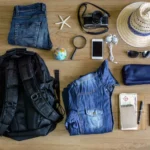
Pack light so you can manage your luggage easily. Include versatile clothing, important documents and copies, basic first aid supplies, portable chargers, and any personal items that make you comfortable. Remember that you can buy most things at your destination if you forget something.
How do I stay connected while traveling alone?
Purchase a local SIM card or international phone plan so you can access maps, translation apps, and stay in touch with home. Download offline maps and important information before you need them. Regular check-ins with family or friends help everyone feel secure.
What if I get lonely traveling solo?
Loneliness happens sometimes but remember it is temporary. Stay in social accommodations, join group tours, use meetup apps, or simply strike up conversations with people you meet. However, also embrace quiet moments alone as opportunities for personal reflection and growth.
Ready to start your solo travel journey? Visit mytravelguider.com for more destination guides, travel tips, and inspiration to help you plan your perfect adventure. Whether you are exploring nearby cities or flying across the world, we have the resources to make your solo trip unforgettable.