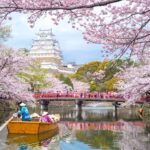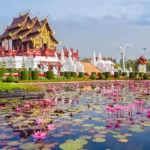



Japan is a country where old traditions meet modern life, and nowhere is this more beautiful than in its temples. If you are planning a trip to Japan or just curious about these amazing places, you are in the right spot. Japanese temples are not just buildings. They are places where history, art, and spiritual practice come together in the most wonderful ways.
- What Are Japanese Temples and Why Are They Important
- Understanding the Difference Between Temples and Shrines
- Most Famous Japanese Temples You Should Visit
- Temple Architecture and What Makes It Special
- Temple Etiquette and How to Behave Respectfully
- Best Time to Visit Japanese Temples
- How Temples Support Japanese Culture and Community
- Planning Your Temple Visit With Mytravelguider
- Frequently Asked Questions About Japanese Temples
- Start Your Temple Journey Today
When I first visited Japan, I was amazed by how peaceful and beautiful these temples were. The smell of incense in the air, the sound of bells ringing softly, and the sight of ancient wooden buildings surrounded by gardens made me feel like I had traveled back in time. Whether you are a history lover, a photography fan, or someone looking for peace and quiet, Japanese temples offer something special for everyone.
What Are Japanese Temples and Why Are They Important
Japanese temples are religious buildings where people practice Buddhism. They are called “tera” or “ji” in Japanese. These sacred places have been part of Japanese culture for more than 1,400 years. Buddhism came to Japan from China and Korea around the sixth century, and since then, temples have played a huge role in Japanese society.
These temples are not just places for prayer. They are also centers of learning, art, and community life. Many temples have beautiful gardens, ancient statues, and paintings that show the amazing skills of Japanese craftsmen from long ago. Some temples are so old that they have survived earthquakes, fires, and wars, which makes them even more special and important to protect.
Today, there are more than 75,000 Buddhist temples across Japan. Each one has its own story, its own style, and its own way of welcoming visitors. Some are big and famous, while others are small and hidden in quiet mountain areas. No matter which temple you visit, you will find a place that helps you slow down and think about life in a deeper way.
Understanding the Difference Between Temples and Shrines
Many people who visit Japan get confused between temples and shrines. This is completely normal because both are religious places and sometimes look similar. However, there are important differences that can help you tell them apart.
Temples are Buddhist places of worship. You can usually spot a temple by looking for certain features. They often have large gates called “sanmon” at the entrance. Inside, you will find statues of Buddha and other important Buddhist figures. Temples also have a main hall where people pray and make offerings. You might see incense burners where visitors light sticks of incense as part of their prayers.
Shrines, on the other hand, are connected to Shinto, which is Japan’s native religion. Shrines usually have “torii” gates, which are those famous red gates you see in many pictures of Japan. The atmosphere at shrines feels different too. While both places are peaceful, temples often feel more quiet and contemplative, while shrines can feel more lively and connected to nature.
Knowing this difference will make your visit to Japan more enjoyable. You will understand what you are seeing and can appreciate each place for what it represents in Japanese culture.
Most Famous Japanese Temples You Should Visit
Japan has thousands of temples, but some stand out because of their beauty, history, or cultural importance. Let me tell you about some temples that should be on your travel list.
Kinkakuji, also known as the Golden Pavilion in Kyoto, is probably the most photographed temple in Japan. The top two floors of this temple are covered in pure gold leaf, and it sits next to a beautiful pond. When the sun shines on it, the temple looks like it is glowing. The reflection in the water makes it even more stunning. This temple was originally built in 1397 as a retirement home for a shogun, but later became a Buddhist temple.
Sensoji Temple in Tokyo is the oldest temple in the capital city. Located in the Asakusa district, this temple is always busy with visitors. The approach to the temple takes you through Nakamise Street, where you can buy traditional snacks and souvenirs. The temple itself has a huge red lantern at the entrance that has become a symbol of Tokyo. Even though it gets crowded, Sensoji has a special energy that makes you feel connected to centuries of history.
Kiyomizudera in Kyoto is another must-visit temple. Built on a hillside, this temple is famous for its wooden stage that extends out from the main hall. The view from this stage is absolutely breathtaking, especially during cherry blossom season in spring or when the leaves change color in autumn. The temple’s name means “Pure Water Temple” because of the waterfall that runs beneath it. People believe that drinking this water brings health and success.
Todaiji Temple in Nara houses one of the largest bronze Buddha statues in the world. The statue is about 15 meters tall and sits inside a massive wooden hall. The scale of this temple is incredible. When you stand in front of the giant Buddha, you really understand why this temple has been an important pilgrimage site for over 1,200 years. The area around the temple is also home to friendly deer that roam freely and are considered sacred messengers.
Temple Architecture and What Makes It Special
Japanese temple architecture is unique and beautiful. The buildings are designed with specific purposes and meanings. Understanding a bit about the architecture will help you appreciate these temples even more.
Most temple buildings are made of wood, which is interesting because wood is not as permanent as stone. However, Japanese builders chose wood because it is flexible and can survive earthquakes better than rigid stone buildings. The wood is often left unpainted to show its natural beauty, though some temples like Kinkakuji have special finishes.
The roofs of Japanese temples are one of their most distinctive features. They curve upward at the edges and are often covered with tiles. These roofs are not just for looks. The curved design helps rain run off quickly, which is important in Japan’s rainy climate. Many roofs also have decorative elements at the corners that are believed to protect the building from evil spirits.
Temple grounds usually include several buildings, not just one. There is typically a main hall where the most important Buddha statue is kept, a lecture hall, a bell tower, and often a pagoda. The pagoda is a tall tower with multiple levels, and it originally came from Indian stupas that held Buddhist relics. Japanese pagodas are engineering marvels because they can withstand earthquakes thanks to a central pillar that moves independently from the outer structure.
Gardens are another important part of temple architecture. Japanese temple gardens are designed to help people meditate and find peace. They often include carefully placed rocks, raked gravel, ponds, and pruned trees. Every element in a temple garden has meaning and is placed with great thought.
Temple Etiquette and How to Behave Respectfully
When you visit a Japanese temple, it is important to behave respectfully. These are active religious sites, not just tourist attractions. Following proper etiquette shows respect for the people who worship there and for Japanese culture.
Before entering the temple grounds, you will often find a water basin where visitors purify themselves. The proper way to do this is to take the ladle in your right hand, fill it with water, and pour some over your left hand. Then switch the ladle to your left hand and pour water over your right hand. Finally, pour a little water into your cupped hand and rinse your mouth, being careful not to drink directly from the ladle or spit back into the basin.
When entering temple buildings, you usually need to remove your shoes. There will be a designated area where you can leave them. Some temples provide slippers, while others expect you to walk in socks or barefoot. Always follow the signs and observe what others are doing.
Inside the temple, speak quietly and move slowly. Many temples allow photography, but some do not, especially inside the main halls. Always check for signs or ask if you are not sure. Never use flash photography as it can damage ancient artwork and disturb people who are praying.
If you want to make an offering or prayer, you can drop a coin into the offering box, bow slightly, and put your hands together in front of your chest. You do not need to follow any specific religion to do this. It is simply a gesture of respect. Some temples also sell incense sticks that you can light and place in the incense burner as an offering.
Best Time to Visit Japanese Temples
The timing of your temple visit can greatly affect your experience. Different seasons offer different advantages, and some times are definitely better than others depending on what you want to see.
Spring, especially late March to early April, is one of the most popular times to visit Japanese temples. This is when cherry blossoms bloom, and many temples have beautiful cherry trees on their grounds. The pink and white flowers create a magical atmosphere. However, spring is also the busiest season, so be prepared for crowds.
Summer in Japan can be hot and humid, but it is actually a good time to visit temples because they are less crowded. Many temples have gardens with green trees that provide shade. Some temples also host special summer festivals with evening hours and illuminations. The downside is that the heat can make walking around temple grounds tiring.
Autumn, from October to November, is my personal favorite time for temple visits. The fall colors in Japan are stunning. Maple trees turn brilliant shades of red, orange, and yellow. Many temples are surrounded by these trees, making the scenery absolutely gorgeous. The weather is also comfortable, not too hot and not too cold. Like spring, autumn attracts many visitors, but it is worth dealing with the crowds for the beautiful views.
Winter is the quietest season for temple visits. If you want to experience temples in a peaceful setting without many tourists, winter is perfect. Some temples look beautiful with snow, especially the ones in mountain areas. The cold weather means you need to dress warmly, but you will have a more personal and contemplative experience.
How Temples Support Japanese Culture and Community
Japanese temples do much more than serve as places of worship. They play important roles in preserving culture, supporting communities, and connecting the past with the present.
Many temples run kindergartens and schools where children learn not just regular subjects but also Buddhist teachings and Japanese cultural practices. This helps keep traditional values alive in modern Japan. Temples also host cultural events throughout the year, including festivals, tea ceremonies, and meditation classes that are open to the public.
Temples are keepers of art and history. Many temples house national treasures, including ancient scrolls, paintings, and sculptures. Some temples have museums where visitors can see these treasures and learn about their significance. By protecting these items, temples ensure that future generations can enjoy and learn from them.
In local communities, temples often serve as gathering places. They host memorial services, seasonal celebrations, and community meetings. During times of disaster or hardship, temples have historically provided shelter and support to people in need. This community role makes temples more than just historical sites. They are living, active parts of Japanese society.
Temple priests, called monks, also play important roles in society. They perform religious ceremonies, offer spiritual guidance, and sometimes work on social issues. Many young monks study for years to learn Buddhist teachings, traditional arts, and how to maintain temple buildings and gardens. Their dedication keeps the temple traditions alive.
Planning Your Temple Visit With Mytravelguider
Now that you know about Japanese temples, you might be excited to plan your own temple visit. There are a few practical things you should know to make your trip smooth and enjoyable.
Most major temples charge a small entrance fee, usually between 300 to 600 yen. This fee helps maintain the temple and its grounds. Some temples are free to enter but may charge for special areas or museums. Always carry some cash because not all temples accept credit cards.
Getting to temples is usually easy in major cities like Kyoto, Tokyo, and Nara. Public transportation is excellent in Japan, and most famous temples are accessible by train or bus. In fact, temple hopping by using a day pass for buses or trains can be a fun way to see multiple temples in one day. For temples in more remote areas, you might need to rent a car or join a tour.
Consider hiring a guide or joining a temple tour if you want to learn more deeply about what you are seeing. Many temples offer English-language pamphlets, but having a knowledgeable guide can bring the history and stories to life in ways that written materials cannot.
If you are interested in a deeper experience, some temples offer meditation sessions or temple stays where you can sleep overnight and participate in morning prayers and ceremonies. This is called “shukubo” and gives you a unique insight into temple life. These experiences need to be booked in advance and are available at select temples.
For more tips on planning your perfect Japan trip and discovering other amazing destinations, explore our comprehensive travel guides at MyTravelGuider.com. We provide detailed information about accommodations, transportation, and must-see attractions to make your journey unforgettable.
Frequently Asked Questions About Japanese Temples
Can anyone visit Japanese temples?
Yes, most Japanese temples welcome visitors of all religions and backgrounds. You do not need to be Buddhist to visit. However, you should be respectful of the religious nature of these sites and follow proper etiquette.
Do I need to pay to enter temples?
Many famous temples charge a small entrance fee, typically between 300 to 600 yen. This helps with maintenance and preservation. Some smaller temples are free to enter. The fee is usually very reasonable considering the historical and cultural value of what you are seeing.
What should I wear when visiting temples?
There is no strict dress code for most temples, but modest clothing is appreciated. Avoid wearing revealing clothes like very short shorts or tank tops. Comfortable walking shoes are recommended because you will be doing a lot of walking. Remember you may need to remove shoes when entering buildings.
Can I take photos inside temples?
Photography rules vary by temple. Many allow photos in the outdoor areas and gardens, but photography is often restricted inside the main halls to protect artwork and respect worshippers. Always look for signs or ask permission before taking photos.
How long should I spend at each temple?
This depends on the temple and your interest level. A quick visit might take 30 minutes, while a thorough exploration of a large temple complex with gardens could take two to three hours. Plan to spend more time if you want to participate in activities like meditation or tea ceremonies.
Are temple visits wheelchair accessible?
Accessibility varies greatly. Some modern temples and major tourist temples have good wheelchair access, but many older temples have stairs and uneven paths that can be challenging. It is best to check the specific temple’s website or contact them beforehand if accessibility is a concern.
What is the difference between a pagoda and a temple?
A pagoda is a specific type of tower that is part of a temple complex. It is not the main worship hall but rather a symbolic structure that often contains Buddhist relics. The temple refers to the entire complex including the main hall, pagoda, gates, and other buildings.
Start Your Temple Journey Today
Japanese temples offer a window into a world where ancient traditions continue to thrive in our modern age. Whether you visit the golden splendor of Kinkakuji, stand before the giant Buddha at Todaiji, or discover a small hidden temple in the mountains, each experience will enrich your understanding of Japanese culture and perhaps even give you new perspectives on life.
The beauty of temple visits is that they work for every type of traveler. History enthusiasts will love learning about centuries of Japanese culture. Photography lovers will find endless opportunities for stunning shots. People seeking peace and mindfulness will find temple gardens to be perfect places for reflection. And families can introduce children to different cultures and ways of life in an engaging, visual way.
Do not wait to start planning your temple adventure. The temples of Japan have stood for hundreds of years and will continue to welcome visitors for many more. Your visit supports their preservation and helps keep these important cultural treasures alive for future generations. Ready to explore more of what Japan and other amazing destinations have to offer? Visit MyTravelGuider.com for expert travel advice, detailed destination guides, and insider tips to make your next adventure truly memorable. Let us help you turn your travel dreams into reality.