

Traveling on a budget does not mean you have to sacrifice comfort or miss out on amazing experiences. Many people believe that affordable travel equals sleeping in uncomfortable hostels, skipping meals, or avoiding fun activities. However, with smart planning and the right strategies, you can enjoy a wonderful vacation that feels luxurious without emptying your wallet. Through years of exploring different destinations and learning from both successes and mistakes, I have discovered that budget travel is more about being clever with your choices rather than compromising on quality.
- Understanding Your Travel Budget Before You Start
- Choosing the Right Destination for Maximum Value
- Finding Affordable Yet Comfortable Accommodation
- Smart Transportation Strategies for Budget Travelers
- Eating Well Without Breaking the Bank
- Enjoying Activities and Attractions Affordably
- Traveling with Comfort Items That Matter
- Maximizing Your Experience Through Local Connections
- Planning and Booking Timeline for Best Deals
- Making the Most of Your Budget Travel Experience
- Frequently Asked Questions
- How much money do I need to travel comfortably on a budget?
- What is the best time to book flights for budget travel?
- Can I travel comfortably with just a carry-on bag?
- How can I find safe yet affordable accommodation?
- Is travel insurance necessary for budget trips?
- What are the best ways to save money on food while traveling?
- How do I balance saving money with actually enjoying my trip?
The secret to budget-friendly comfortable travel lies in understanding where to save money and where to invest it wisely. This guide will walk you through practical steps that anyone can follow to plan an incredible trip that balances affordability with comfort, ensuring you create lasting memories without financial stress.
Understanding Your Travel Budget Before You Start
Before you even think about booking flights or hotels, you need to understand how much money you can comfortably spend on your trip. This step is crucial because it sets the foundation for all your other decisions. Start by looking at your monthly income and expenses to determine how much you can realistically save for travel without affecting your daily life or emergency fund.
A good approach is to break down your budget into categories like transportation, accommodation, food, activities, and emergency funds. Most travelers make the mistake of only budgeting for the big expenses like flights and hotels, forgetting about daily costs like meals, local transport, and entrance fees to attractions. When I planned my first budget trip, I learned this lesson the hard way when I ran out of money halfway through because I had not accounted for small daily expenses.
Setting aside at least ten to fifteen percent of your total budget as an emergency buffer is wise. This extra money can save you from stressful situations if something unexpected happens, like a missed connection or a sudden need for medical attention.
Choosing the Right Destination for Maximum Value
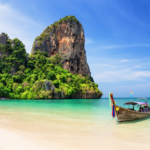
Not all destinations offer the same value for money. Some places naturally cost less while still providing incredible experiences and comfortable amenities. Southeast Asian countries like Thailand, Vietnam, and Indonesia offer fantastic value with beautiful beaches, rich culture, and excellent food at affordable prices. Similarly, Eastern European destinations like Poland, Hungary, and Romania provide stunning architecture, delicious cuisine, and comfortable accommodations for much less than Western Europe.
When selecting your destination, consider the exchange rate between your currency and the local currency. A favorable exchange rate can make your money stretch much further, allowing you to enjoy nicer meals and better accommodations. For example, if you are from the United States, your dollar goes much further in countries like Mexico, Portugal, or Malaysia compared to Switzerland or Norway.
Another factor to consider is the season you plan to travel. Visiting destinations during their shoulder season, which is the time between peak and off-peak seasons, gives you the best of both worlds. You can enjoy good weather, fewer crowds, and significantly lower prices on everything from hotels to activities. I have saved hundreds of dollars by simply shifting my travel dates by a few weeks to avoid peak season prices.
Finding Affordable Yet Comfortable Accommodation
Accommodation often eats up the largest portion of a travel budget, but there are many ways to find comfortable places to stay without overspending. Instead of immediately booking hotels, explore alternatives like vacation rentals, guesthouses, or boutique hostels that offer private rooms with modern amenities. Many vacation rentals provide full kitchens, washing machines, and spacious living areas for less than what you would pay for a cramped hotel room.
Location matters when choosing accommodation. Staying slightly outside the main tourist areas can save you significant money while still keeping you within easy reach of attractions. Look for places near public transportation hubs so you can easily access the city center without paying premium prices for central locations. During one of my trips to Europe, I stayed in an apartment twenty minutes from the city center and saved almost half the cost compared to downtown hotels, while still enjoying all the comforts of home.
Reading recent reviews is essential before booking any accommodation. Pay attention to comments about cleanliness, comfort, and the accuracy of photos. Sometimes a place might look perfect in pictures but disappoints in reality. Look for properties with consistent positive reviews about comfortable beds, good water pressure, reliable wifi, and helpful hosts, as these factors significantly impact your comfort level.
Booking directly with hotels or guesthouses sometimes offers better rates than using booking platforms. Many accommodations are willing to negotiate prices, especially if you are staying for multiple nights or traveling during their low season. Do not be afraid to reach out and ask if they can offer a better rate than what appears online.
Smart Transportation Strategies for Budget Travelers
Transportation costs can quickly add up, but with careful planning, you can move around comfortably without overspending. For flights, flexibility is your best friend. Being flexible with your travel dates, even by just a day or two, can result in hundreds of dollars in savings. Use flight comparison websites to track prices and set up alerts for your desired routes.
Consider alternative airports when flying to major cities. Sometimes flying into a smaller nearby airport and taking a train or bus to your final destination costs less overall than flying directly to the main airport. Budget airlines can offer excellent value, but make sure to read the fine print about baggage fees and other charges that might make them less attractive than they initially appear.
Once you arrive at your destination, public transportation is usually the most economical and often comfortable way to get around. Many cities offer tourist passes that provide unlimited travel on buses, trains, and trams for a fixed period. These passes not only save money but also eliminate the stress of buying tickets for every journey. I always research the public transportation options before arriving in a new city and often find that trains and buses are not only cheaper but also give me a more authentic local experience than taxis or ride-sharing services.
For longer distances within a country, overnight trains or buses can serve double duty by providing both transportation and accommodation, saving you a night of hotel costs. Many overnight services now offer comfortable sleeping compartments that arrive at your destination well-rested and ready to explore.
Eating Well Without Breaking the Bank
Food is one area where you can enjoy local culture and comfort without spending excessively. The key is knowing where and when to eat out versus preparing your own meals. If your accommodation has cooking facilities, shopping at local markets and preparing some meals yourself can dramatically reduce costs while allowing you to splurge on special dining experiences.
When eating out, follow where local people eat rather than restaurants in touristy areas. Local eateries typically offer better quality food at lower prices and provide a more authentic experience. Street food in many countries is not only delicious and safe but also incredibly affordable. Some of my most memorable meals have come from street vendors and small family-run restaurants that cost a fraction of fancy tourist restaurants.
Many restaurants offer lunch specials or early bird dinner menus that provide the same quality food as their regular menu at reduced prices. Taking advantage of these timing-based deals allows you to enjoy nice restaurant meals while staying within budget. Additionally, having a hearty breakfast and lunch lets you opt for lighter dinners, which are typically less expensive.
Carrying a reusable water bottle and snacks can save money and keep you comfortable throughout the day. Many destinations have safe drinking water or water refill stations, eliminating the need to constantly buy bottled water. Having snacks on hand prevents you from making expensive impulse food purchases when hunger strikes between meals.
Enjoying Activities and Attractions Affordably
Experiencing local attractions and activities does not require spending a fortune. Many destinations offer free or low-cost activities that are just as enriching as expensive tours. Walking tours, public parks, beaches, hiking trails, and many museums offer free entry on certain days or times. Research these opportunities before your trip to plan your itinerary around them.
City tourism cards often provide excellent value if you plan to visit multiple attractions. These cards typically include entry to popular sites, public transportation, and sometimes even discounts at restaurants and shops. Calculate whether the card will save you money based on your planned activities before purchasing.
For paid activities, booking in advance online usually offers discounts compared to buying tickets at the door. Group bookings can also result in reduced rates, so if you are traveling with family or friends, ask about group discounts. Some tour companies offer last-minute deals for tours that have not filled up, though this requires flexibility in your schedule.
Exploring neighborhoods, attending local festivals, watching sunsets, and simply wandering through markets are free activities that often become the highlights of a trip. Some of my favorite travel memories cost nothing but provided rich cultural experiences and beautiful moments. Check out our detailed guides on mytravelguider.com for more destination-specific tips on free and affordable activities.
Traveling with Comfort Items That Matter
Comfort during travel often comes from small, smart investments rather than expensive upgrades. Bringing items that enhance your comfort can make budget accommodations feel more luxurious. A good quality travel pillow, a light blanket or large scarf, and comfortable walking shoes can transform your travel experience without adding significant costs.
Packing smartly means bringing versatile clothing that works for multiple situations and weather conditions. This reduces the need to buy items during your trip and ensures you are always comfortable regardless of what activities come up. Quality over quantity applies here, as a few well-chosen items serve you better than a suitcase full of clothes you never wear.
Personal care items from home can save money and provide comfort in unfamiliar places. While you can buy toiletries anywhere, having your preferred products helps maintain your routine and prevents unnecessary expenses on items you might not like or use completely.
Maximizing Your Experience Through Local Connections
One of the best ways to travel comfortably on a budget is by connecting with locals who can provide insider knowledge. Local people know which restaurants offer the best value, which attractions are worth visiting, and which areas to avoid. Many accommodation hosts are happy to share recommendations if you simply ask.
Language learning apps can help you learn basic phrases in the local language, making interactions easier and often leading to better prices and experiences. Even attempting to speak the local language shows respect and often results in locals being more helpful and friendly. I have received numerous discounts and recommendations simply because I made an effort to communicate in the local language.
Online travel communities and forums provide valuable information from people who have recently visited your destination. Reading trip reports and asking questions can help you avoid tourist traps and discover hidden gems that offer better value.
Planning and Booking Timeline for Best Deals
Timing your bookings correctly can result in significant savings. For international flights, booking three to six months in advance typically offers the best prices. However, domestic flights sometimes offer better deals closer to departure dates. Monitoring prices over time helps you understand patterns and make informed decisions.
Accommodation pricing varies depending on the property and destination. Some places offer early bird discounts for booking months in advance, while others drop prices as the date approaches to fill empty rooms. Cancellable bookings give you flexibility to rebook if prices drop, though make sure to understand cancellation policies fully.
Creating a rough itinerary before booking anything helps ensure you allocate your budget efficiently across all aspects of your trip. This planning prevents overspending in one area and having too little left for others. However, leave some flexibility for spontaneous experiences that might arise during your travels.
Making the Most of Your Budget Travel Experience
Budget travel that maintains comfort is entirely achievable with proper planning and smart choices. The strategies outlined in this guide have helped countless travelers, including myself, enjoy wonderful trips without financial stress or discomfort. Remember that the goal is not to spend as little as possible but to spend wisely on things that genuinely enhance your experience while cutting costs on things that do not matter to you.
Start planning your next adventure today by implementing these tips. Visit mytravelguider.com for more comprehensive destination guides, budget breakdowns, and travel tips that can help you plan the perfect affordable yet comfortable trip. Whether you are dreaming of tropical beaches, historic cities, or mountain adventures, comfortable budget travel is within your reach.
Your journey to exploring the world without compromising comfort starts with taking that first step in planning. Use these strategies, stay flexible, and remember that some of the best travel experiences come from the connections you make and moments you experience rather than how much money you spend.
Frequently Asked Questions
How much money do I need to travel comfortably on a budget?
The amount needed varies greatly depending on your destination and travel style. Generally, many travelers find that fifty to one hundred dollars per day covers comfortable budget travel in affordable destinations, including decent accommodation, meals, local transportation, and some activities. More expensive destinations like Western Europe or Japan might require one hundred fifty to two hundred dollars per day for similar comfort levels. Start by researching average costs for your specific destination and add a buffer for unexpected expenses.
What is the best time to book flights for budget travel?
For international flights, booking approximately three to six months before departure typically provides the best balance between availability and pricing. However, flexibility is more important than exact timing. Being open to traveling on weekdays, especially Tuesdays and Wednesdays, often results in lower fares. Use price alert tools to monitor your desired routes and book when prices drop rather than waiting for the perfect moment that might never come.
Can I travel comfortably with just a carry-on bag?
Absolutely, and many experienced travelers prefer it. Traveling with only carry-on luggage saves baggage fees, speeds up airport processes, and forces you to pack more thoughtfully. The key is choosing versatile clothing items that can be mixed and matched and worn multiple times. Packing cubes help organize belongings efficiently, and wearing your bulkiest items during travel saves space in your bag.
How can I find safe yet affordable accommodation?
Read recent reviews carefully, paying attention to comments about safety, cleanliness, and location. Look for properties with good lighting in safe neighborhoods that are well-connected to public transportation. Platforms that verify hosts and have review systems provide additional security. Booking accommodation with free cancellation initially gives you time to research the area better and change if needed. Trust your instincts and if something feels wrong about a listing, choose a different option.
Is travel insurance necessary for budget trips?
Yes, travel insurance is one expense you should never skip regardless of your budget. Medical emergencies, trip cancellations, or lost belongings can cost far more than the entire trip budget. Basic travel insurance is relatively inexpensive and provides peace of mind. Look for policies that cover medical emergencies, trip interruptions, and lost baggage at minimum. Some credit cards offer travel insurance benefits when you book trips using them, so check what coverage you might already have.
What are the best ways to save money on food while traveling?
Staying in accommodation with kitchen facilities allows you to prepare some meals yourself, significantly reducing food costs. Shop at local markets for fresh, affordable ingredients. When eating out, choose local restaurants away from tourist areas, try street food in countries where it is safe and popular, and take advantage of lunch specials which are typically cheaper than dinner. Having a substantial breakfast often allows for lighter, less expensive lunches or dinners.
How do I balance saving money with actually enjoying my trip?
The goal is not to deprive yourself but to spend wisely on experiences that matter most to you while cutting costs on things that do not enhance your enjoyment. Decide what aspects of travel are most important to you, whether that is comfortable accommodation, good food, or activities, and allocate more budget there while economizing elsewhere. Remember that many meaningful travel experiences like exploring neighborhoods, watching sunsets, or connecting with locals cost nothing at all.