


Traveling should be one of life’s greatest joys, but without proper planning and preparation, even the most exciting trip can turn into a nightmare. Whether you’re heading out for a weekend getaway or embarking on a months-long adventure across continents, having the right strategies in place can make all the difference between a smooth journey and a stressful ordeal.
- Planning Your Trip the Smart Way
- Mastering the Art of Packing
- Managing Your Travel Documents and Money
- Staying Healthy and Safe During Your Journey
- Navigating Airports and Flights Like a Professional
- Making the Most of Your Accommodation
- Embracing Local Culture and Customs
- Dealing with Unexpected Situations
- Exploring More Travel Resources
- Frequently Asked Questions
- How far in advance should I start planning my trip?
- What should I absolutely pack in my carry-on bag?
- How can I avoid getting sick while traveling?
- Is travel insurance really necessary?
- How much cash should I carry when traveling internationally?
- What’s the best way to deal with jet lag?
- How can I stay connected while traveling internationally?
I’ve spent years exploring different destinations and learning valuable lessons along the way. Through countless trips, missed flights, lost luggage, and unexpected surprises, I’ve gathered insights that have transformed how I travel. Today, I’m sharing these essential travel tips that will help you navigate your journey with confidence and ease.
Planning Your Trip the Smart Way
The foundation of stress-free travel begins long before you pack your bags. Planning is not just about booking flights and hotels. It’s about creating a roadmap that anticipates challenges and prepares solutions in advance.
Start your planning at least two to three months before your departure date if possible. This timeline gives you enough breathing room to research destinations, compare prices, and make informed decisions without rushing. During my early travel days, I used to book everything at the last minute, which often resulted in paying higher prices and settling for less desirable options.
Research your destination thoroughly. Understand the local weather patterns, cultural norms, and seasonal events that might affect your trip. For instance, visiting Southeast Asia during monsoon season or Europe during peak summer tourism can significantly impact your experience. Check visa requirements well in advance, as some countries need several weeks to process applications.
Create a rough itinerary but leave room for flexibility. While having a plan helps you make the most of your time, being too rigid can prevent you from enjoying spontaneous opportunities. I’ve discovered some of my favorite experiences by simply wandering around and stumbling upon local festivals or hidden gems that weren’t in any guidebook.
Mastering the Art of Packing
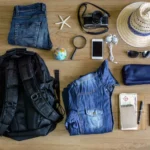
Packing is where many travelers go wrong. The key is packing smart, not packing everything you own. I learned this lesson the hard way after dragging a heavy suitcase up five flights of stairs in a Paris apartment building with no elevator.
Choose versatile clothing items that can be mixed and matched. Neutral colors work best because they coordinate easily and don’t show dirt as quickly. Pack items that can serve multiple purposes. A large scarf, for example, can function as a blanket on cold flights, a beach cover-up, or a shawl for visiting religious sites.
Rolling your clothes instead of folding them saves space and reduces wrinkles. Place heavier items like shoes at the bottom of your suitcase near the wheels. Use packing cubes to organize different categories of items. These simple organizers have revolutionized my packing routine and make finding things incredibly easy.
Always pack essential items in your carry-on bag. This includes medications, a change of clothes, important documents, electronics, and valuable items. Airlines lose millions of bags each year, and having essentials with you ensures you can manage even if your checked luggage goes missing. During a trip to Italy, my checked bag was delayed by three days, but because I had packed wisely in my carry-on, I could continue enjoying my vacation without major disruption.
Managing Your Travel Documents and Money
Your passport, visa, and other travel documents are your lifeline when traveling internationally. Make multiple copies of all important documents. Keep one set in your luggage, another in your day bag, and email scanned copies to yourself. This redundancy has saved me considerable trouble when documents were temporarily misplaced.
Check your passport expiration date. Many countries require your passport to be valid for at least six months beyond your travel dates. Renewing a passport can take several weeks, so verify this detail early in your planning process.
Money management requires careful thought. Notify your bank and credit card companies about your travel plans to prevent your cards from being blocked for suspicious activity. Carry a mix of payment methods including cash, debit cards, and credit cards. Having backup options ensures you’re never stranded without access to funds.
Use ATMs at banks rather than standalone machines in tourist areas to avoid excessive fees and potential skimming devices. Exchange a small amount of local currency before arriving at your destination for immediate expenses like transportation or tips. Many airports have unfavorable exchange rates, so don’t convert large amounts there.
Staying Healthy and Safe During Your Journey
Your health and safety should always be top priorities when traveling. Visit your doctor at least six weeks before international travel to discuss necessary vaccinations and medications. Some vaccines require multiple doses over several weeks, so early consultation is essential.
Pack a basic first-aid kit with bandages, pain relievers, anti-diarrheal medication, and any prescription medicines you regularly take. Include extra medication in case your trip extends unexpectedly. I always carry motion sickness tablets, antihistamines, and stomach remedies because finding specific medications in foreign countries can be challenging.
Stay hydrated throughout your journey, especially during flights. Airplane cabins have very low humidity levels that can lead to dehydration, fatigue, and headaches. Drink water regularly and avoid excessive alcohol and caffeine, which can worsen dehydration.
Research your destination’s safety situation before traveling. Register with your country’s embassy or consulate if visiting areas with potential security concerns. Share your itinerary with family or friends back home so someone always knows your location.
Navigating Airports and Flights Like a Professional
Airport navigation can be overwhelming, particularly in large international hubs. Arrive early to allow time for check-in, security screening, and finding your gate. For domestic flights, two hours before departure is generally sufficient, while international flights require three hours.
Download your airline’s mobile app before traveling. These apps provide real-time updates about gate changes, delays, and boarding times. They also allow mobile check-in, which can save considerable time at the airport.
Wear comfortable, easy-to-remove shoes for security screening. Dress in layers because airplane temperatures vary significantly. Having a light jacket or sweater allows you to adjust to different conditions throughout your flight.
Bring entertainment for long flights but don’t rely solely on in-flight entertainment systems. Download movies, books, or podcasts to your devices before traveling. I learned this during a twelve-hour flight when the entertainment system malfunctioned, leaving passengers with nothing but time.
Move around during long flights to prevent blood clots and reduce stiffness. Simple exercises like ankle rotations, shoulder rolls, and walking the aisles every few hours can make a significant difference in how you feel upon arrival.
Making the Most of Your Accommodation
Your choice of accommodation greatly impacts your travel experience. Read reviews carefully on multiple platforms before booking. Look for recent reviews that mention cleanliness, location, and responsiveness of staff or hosts. One or two negative reviews among hundreds of positive ones might be outliers, but consistent complaints about specific issues should raise red flags.
Location matters more than luxury. Staying in a central location with good public transportation access can save you time and money. During a trip to Barcelona, I chose a modest apartment in a well-connected neighborhood over a fancy hotel in the suburbs, which allowed me to explore more efficiently and experience local life.
Communicate with your accommodation provider before arrival. Confirm check-in times, ask about parking if you’re renting a car, and inquire about any special instructions for accessing the property. This simple step prevents confusion and ensures a smooth arrival.
Take photos of your room when you arrive, documenting the condition of furniture, walls, and appliances. This protects you from being charged for pre-existing damage. Also, locate emergency exits and keep important phone numbers handy.
Embracing Local Culture and Customs
Respecting local customs and culture enriches your travel experience and helps you connect with people you meet. Research basic cultural norms before arriving. Simple gestures like learning to say “hello,” “thank you,” and “please” in the local language show respect and often result in warmer interactions.
Dress appropriately for your destination. Some countries and religious sites have specific dress codes. Carrying a light shawl or long pants allows you to visit these places without issues. I once missed visiting a beautiful temple in Thailand because I wasn’t dressed appropriately and hadn’t thought to bring a cover-up.
Be mindful of photography restrictions. Some locations don’t allow photos, while others permit them only without flash. Always ask permission before photographing local people. What seems like an innocent tourist photo to you might be invasive or unwelcome to others.
Try local food and participate in cultural activities when opportunities arise. These experiences create lasting memories and deeper understanding of the places you visit. However, trust your instincts about food safety. Eating at busy local restaurants where you can see food being prepared is generally safer than quiet establishments where food might be sitting for extended periods.
Dealing with Unexpected Situations
No matter how well you plan, unexpected situations arise during travel. Flexibility and problem-solving skills become your greatest assets when things don’t go according to plan.
If your flight is delayed or cancelled, immediately contact your airline through their app or customer service line. Being proactive often results in better rebooking options than waiting in long airport lines. Know your rights regarding compensation for delays, cancellations, and lost baggage, as these vary by country and airline.
Keep digital and physical copies of important phone numbers including your country’s embassy, travel insurance provider, bank, and credit card companies. When problems occur, having this information readily available speeds up resolution.
Purchase comprehensive travel insurance that covers medical emergencies, trip cancellations, and lost belongings. Many people skip this expense, but I’ve witnessed how travel insurance transformed potentially devastating situations into minor inconveniences. A friend’s medical emergency in Bali would have cost thousands of dollars without insurance coverage.
Stay calm when problems arise. Getting upset or angry rarely improves situations and often makes them worse. I’ve found that remaining polite and patient with airline staff, hotel employees, and others typically results in better outcomes and sometimes unexpected assistance.
Exploring More Travel Resources
Planning your perfect trip requires access to reliable information and resources. At mytravelguider.com, we’ve created comprehensive guides covering destinations worldwide, helping travelers like you discover amazing places while avoiding common pitfalls.
Whether you’re looking for detailed destination guides, practical advice on specific aspects of travel, or inspiration for your next adventure, our website provides valuable insights based on real experiences. We understand that every traveler is unique, which is why our content covers diverse interests from budget backpacking to luxury getaways, family vacations to solo adventures.
Take some time to explore our collection of travel articles and guides. You’ll find information about visa requirements, cultural customs, best times to visit different destinations, and much more. Our goal is to make your travel planning easier and your journeys more enjoyable.
Frequently Asked Questions
How far in advance should I start planning my trip?
For international travel, starting your planning two to three months in advance is ideal. This timeline allows you to research destinations thoroughly, find good deals on flights and accommodation, and handle necessary paperwork like visas and vaccinations. However, some trips require even earlier planning. If you’re visiting popular destinations during peak season or planning complex itineraries involving multiple countries, six months advance planning might be necessary. For domestic weekend trips, two to four weeks is usually sufficient.
What should I absolutely pack in my carry-on bag?
Your carry-on should contain everything you need to survive if your checked luggage gets lost. Essential items include medications, a change of clothes, underwear, basic toiletries in travel-sized containers, important documents like passport and travel insurance information, electronics and chargers, valuable items like jewelry or cameras, any essential work materials, and snacks for the journey. I also recommend packing any items you’d be devastated to lose in your carry-on rather than checked baggage.
How can I avoid getting sick while traveling?
Staying healthy during travel involves several strategies. Wash your hands frequently with soap and water or use hand sanitizer, especially before eating. Stay hydrated by drinking plenty of water throughout your journey. Get adequate sleep because fatigue weakens your immune system. Be cautious with food and water in countries where sanitation standards differ from what you’re accustomed to. Take necessary vaccinations before traveling and carry basic medications. Avoid touching your face with unwashed hands as this is a common way germs enter your body.
Is travel insurance really necessary?
Travel insurance is strongly recommended for most trips, particularly international travel. Medical emergencies abroad can cost thousands of dollars without insurance coverage. Good travel insurance also protects against trip cancellations, lost baggage, flight delays, and other unexpected problems. The cost of insurance is typically a small percentage of your total trip cost but can save you from financial disaster if serious problems occur. Read policies carefully to understand what’s covered and what’s excluded before purchasing.
How much cash should I carry when traveling internationally?
The amount of cash you need depends on your destination and travel style. Research whether your destination is primarily cash-based or card-friendly. Generally, carrying the equivalent of two to three days of expenses in local currency is sensible. Keep larger amounts in your accommodation safe and only carry what you need for the day. Distribute cash in different locations like your wallet, day bag, and luggage so you’re not left with nothing if one item is lost or stolen. Having some US dollars or euros as backup currency can be useful in many countries.
What’s the best way to deal with jet lag?
Minimizing jet lag requires adjusting your schedule before you even board your flight. A few days before departure, gradually shift your sleeping and eating times toward your destination’s time zone. During the flight, set your watch to your destination’s time zone and try to sleep and eat according to that schedule. Stay hydrated and avoid excessive alcohol. Upon arrival, spend time outdoors in natural light, which helps reset your body clock. Try to stay awake until a normal bedtime in the local time zone, even if you’re exhausted. Physical activity and light meals also help your body adjust more quickly.
How can I stay connected while traveling internationally?
Staying connected internationally has become easier and more affordable. Options include using your home carrier’s international roaming plan, purchasing a local SIM card at your destination, using portable WiFi devices, or relying on WiFi at hotels, cafes, and public spaces. Research costs before your trip because international roaming charges can be extremely expensive. Many travelers find that buying a local SIM card offers the best value for extended trips. Ensure your phone is unlocked before traveling if you plan to use local SIM cards.