

Packing for a trip can feel overwhelming, especially when you are not sure what to bring along. Whether you are heading to a beach destination, planning a mountain adventure, or preparing for a business trip, knowing what to pack makes your journey smoother and more enjoyable. After years of traveling to different places around the world, I have learned that smart packing is not about carrying everything you own but about bringing the right things that match your destination and purpose.
- Understanding Your Travel Needs Before You Pack
- Essential Items That Every Traveler Should Carry
- Packing for Beach and Tropical Destinations
- What to Bring for Mountain and Adventure Trips
- Business Trip Packing Essentials
- City Exploration and Cultural Tour Packing
- Family Travel Packing Tips
- Making Your Packing Process Easier
- Frequently Asked Questions
- How many days before my trip should I start packing?
- Should I pack in a suitcase or a backpack for my trip?
- What items should I keep in my carry-on bag during flights?
- How can I pack lighter without forgetting important items?
- Is it better to pack cubes or roll my clothes?
- What should I do if I forget to pack something important?
- How much should my luggage weigh for international flights?
- Should I pack my electronics in checked or carry-on luggage?
Many travelers make the mistake of either overpacking or forgetting essential items at home. This guide will help you understand what to carry for different types of trips so you can travel with confidence and comfort. The key is to think about where you are going, what you will be doing there, and how long you plan to stay.
Understanding Your Travel Needs Before You Pack
Before you start throwing things into your suitcase, take a moment to think about your specific travel needs. Every trip is different and requires different items. A weekend beach vacation needs completely different things compared to a week-long business conference in another city.
Start by checking the weather forecast for your destination. This simple step saves you from packing winter jackets for a tropical location or light clothes for a cold place. I remember once traveling to a mountain region without checking the weather and ended up buying warm clothes there because I only packed summer outfits.
Consider the activities you have planned during your trip. If you are going hiking, you need proper shoes and outdoor gear. For a city tour, comfortable walking shoes and a small backpack work better. When you know your activities in advance, packing becomes much easier and more logical.
Essential Items That Every Traveler Should Carry
Regardless of where you are traveling, some items remain essential for every trip. These are the things you should never forget because they make your travel experience safe and comfortable.
Your travel documents should always be at the top of your packing list. This includes your passport or identification card, visa if required, travel insurance papers, and booking confirmations for hotels and flights. I always keep copies of these documents both in physical form and saved on my phone. This habit has saved me multiple times when I needed to show proof of bookings or identification.
Money and payment methods require careful planning. Carry some local currency of your destination country along with your credit or debit cards. Having multiple payment options ensures you are never stuck without money in case one method does not work. Keep your money in different places rather than all in one wallet for safety.
Health and safety items should never be overlooked. A basic first aid kit with band-aids, pain relievers, any prescription medications you take regularly, and hand sanitizer are must-haves. During my travels, this small kit has helped me and fellow travelers countless times with minor injuries or headaches.
Your phone charger and a universal power adapter are absolutely necessary in today’s connected world. Different countries use different plug types, so having a universal adapter means you can charge your devices anywhere. I also recommend carrying a portable power bank because finding charging points during long travel days can be challenging.
Packing for Beach and Tropical Destinations
When you are heading to a beach or tropical location, your packing list should focus on staying cool, comfortable, and protected from the sun. These destinations are about relaxation and enjoying the water, so pack accordingly.
Light and breathable clothing works best for hot climates. Cotton and linen fabrics keep you cool throughout the day. Pack shorts, t-shirts, sundresses, and light pants that dry quickly. I learned from experience that bringing at least one light long-sleeved shirt helps protect your skin from too much sun exposure during the day.
Swimwear is obviously essential for beach destinations. Bring at least two sets so you always have a dry one ready. A good quality beach towel or a quick-dry travel towel takes up less space and dries faster than regular towels. Do not forget your flip-flops or sandals for the beach and around the pool area.
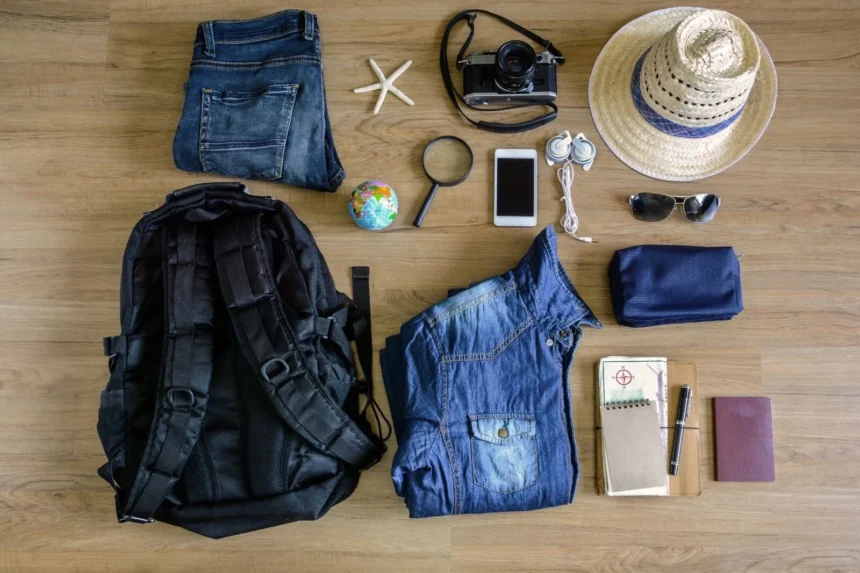
Sun protection items are critical for tropical trips. A strong sunscreen with high SPF protects your skin from harmful rays. I always pack a wide-brimmed hat and good quality sunglasses to shield my face and eyes from the bright sun. These items prevent sunburns and make your time outdoors much more comfortable.
What to Bring for Mountain and Adventure Trips
Mountain destinations and adventure trips need completely different packing strategies compared to beach vacations. The focus here is on staying warm, safe, and prepared for outdoor activities.
Layered clothing is the secret to comfort in mountain areas. Temperatures can change quickly as you move to higher altitudes, so having multiple layers lets you adjust easily. Start with a moisture-wicking base layer, add an insulating middle layer like a fleece, and top it with a waterproof outer jacket. This system has kept me comfortable during many mountain treks.
Proper footwear makes or breaks your mountain experience. Good quality hiking boots with ankle support and proper grip are worth the investment. Make sure you break in new boots before your trip to avoid painful blisters. I also pack an extra pair of comfortable shoes for relaxing in the evening after a day of hiking.
Safety and navigation tools become important for adventure trips. A basic map of the area, a compass or GPS device, a flashlight or headlamp, and a whistle for emergencies should be in your bag. These items might seem excessive, but they provide peace of mind when you are exploring remote areas.
Water and snacks are essential for any outdoor adventure. Carry a reusable water bottle or hydration pack to stay hydrated during activities. Energy bars, nuts, and dried fruits give you quick energy during long hikes. I have learned that staying properly hydrated and fueled makes adventures much more enjoyable.
Business Trip Packing Essentials
Business trips require a different approach to packing because you need to look professional while staying comfortable during travel. The key is balancing practicality with a polished appearance.
Professional clothing should be wrinkle-resistant when possible. Pack dress shirts or blouses, trousers or skirts, and a blazer that matches multiple outfits. I always choose dark colors because they hide stains better and can be mixed and matched easily. Bring one extra outfit than you think you need in case of spills or unexpected meetings.
Your business essentials include your laptop, chargers, any presentation materials, business cards, and a professional bag to carry everything. A good quality laptop bag or briefcase makes you look prepared and keeps your important items organized. Make sure you have all necessary documents and files both in digital and printed formats.
Comfortable yet professional shoes are crucial for business trips. You might need to walk through airports, stand during conferences, or attend multiple meetings in one day. Choose shoes that look good with your professional outfits but do not hurt your feet after hours of wear.
City Exploration and Cultural Tour Packing
When you are visiting cities and cultural sites, your packing should focus on comfort, versatility, and respecting local customs. City trips often involve lots of walking and visiting various attractions in different settings.
Comfortable walking shoes are your best friend during city exploration. You might walk several kilometers each day visiting museums, markets, and historical sites. Good sneakers or comfortable walking shoes prevent sore feet and let you enjoy your exploration fully. I always break in my shoes before a trip to avoid any discomfort.
A small day backpack or crossbody bag helps you carry your daily essentials while keeping your hands free. This should hold your water bottle, camera, wallet, phone, and any maps or guides you need. Choose something secure with zippers to protect against pickpockets in crowded tourist areas.
Modest and respectful clothing is important when visiting cultural and religious sites. Research your destination to understand any dress codes. Many temples and churches require covered shoulders and knees. Having a light scarf or shawl in your bag lets you quickly cover up when needed.
Family Travel Packing Tips
Traveling with family, especially with children, requires extra planning and patience. The goal is to keep everyone comfortable and entertained throughout the journey.
Entertainment items for children help make long travel days easier. Pack books, coloring materials, tablets with downloaded movies or games, and favorite small toys. These keep children occupied during flights or long car rides. I always bring more entertainment options than I think I need because children can get bored quickly.
Snacks and drinks for the family prevent hunger-related meltdowns. Bring favorite snacks that travel well and keep everyone happy between meals. Having familiar foods available is especially helpful when traveling to places where the local cuisine might be unfamiliar to children.
Extra clothing changes become necessary when traveling with kids. Children are experts at spilling things and getting dirty. Pack at least one complete extra outfit in your carry-on bag for each child. This saved me during a long flight when my daughter spilled juice all over herself just an hour into the journey.
Making Your Packing Process Easier
Smart packing strategies save time and reduce stress. Start packing a few days before your trip rather than the night before. This gives you time to remember things you might forget in a rush.
Create a packing list on your phone or paper that you can reuse for future trips. After each trip, update this list by adding items you wished you had brought and removing things you never used. Over time, this list becomes perfectly tailored to your travel style.
Roll your clothes instead of folding them to save space and reduce wrinkles. Place heavier items at the bottom of your suitcase near the wheels. Use packing cubes or plastic bags to organize different types of items and keep everything tidy throughout your trip.
Remember that most destinations have stores where you can buy forgotten items. Do not stress too much about having every single thing. Part of traveling is learning to adapt and solve small problems along the way.
For more helpful travel planning tips and destination guides, explore other articles on mytravelguider.com to make your next journey even better.
Frequently Asked Questions
How many days before my trip should I start packing?
Starting to pack about three to five days before your trip works best for most travelers. This timeframe gives you enough time to think about what you need, check the weather forecast, and remember items you might forget if you pack in a hurry. You can also wash clothes you want to bring or buy anything you are missing. Packing too early might mean you forget things, while packing at the last minute creates unnecessary stress.
Should I pack in a suitcase or a backpack for my trip?
The choice between a suitcase and backpack depends on your destination and travel style. Suitcases work better for trips where you stay in one place, have access to smooth roads and sidewalks, and need to carry more formal clothing. Backpacks are ideal for adventure trips, places with rough terrain, and when you need to move around frequently. Many experienced travelers use both, checking a suitcase for the bulk of their belongings and carrying a backpack with essentials.
What items should I keep in my carry-on bag during flights?
Your carry-on should include all valuable items like electronics, important documents, medications, a change of clothes, and essential toiletries in travel-sized containers. Also pack any items you might need during the flight such as snacks, entertainment, a neck pillow, and a jacket or sweater since planes can be cold. Keep your phone charger, keys, and wallet easily accessible. This ensures you have everything important with you even if your checked luggage gets delayed or lost.
How can I pack lighter without forgetting important items?
Packing lighter requires planning and choosing versatile items. Select clothing that can be mixed and matched to create multiple outfits. Choose items that serve multiple purposes, like a sarong that works as a beach cover-up, blanket, or scarf. Wear your heaviest items during travel rather than packing them. Only bring toiletries you will actually use daily and remember that most destinations have stores where you can buy forgotten items. Making a detailed packing list helps ensure you do not forget essentials while avoiding overpacking.
Is it better to pack cubes or roll my clothes?
Both packing cubes and rolling clothes are effective methods, and you can use them together. Rolling clothes saves space and reduces wrinkles for most fabrics. Packing cubes help organize different categories of items, making it easier to find things without unpacking your entire suitcase. Many travelers combine both methods by rolling clothes and then placing them in packing cubes by category like shirts, pants, or undergarments. This system keeps everything organized and maximizes suitcase space.
What should I do if I forget to pack something important?
Do not panic if you forget something. Most destinations have stores where you can purchase forgotten items. For toiletries and basic items, you can usually find them easily. If you forgot important documents, contact your hotel or host country embassy for guidance. Many hotels provide basic items like toothbrushes, razors, and chargers if you ask. Remember that forgotten items rarely ruin trips and dealing with small challenges is part of the travel experience that creates memorable stories.
How much should my luggage weigh for international flights?
International flight baggage allowances vary by airline and ticket class, but most economy tickets allow checked bags between 20 to 23 kilograms and carry-on bags around 7 to 10 kilograms. Always check your specific airline website before packing because exceeding weight limits results in expensive extra fees. Weigh your luggage at home before leaving to avoid surprises at the airport. If you plan to buy items during your trip, leave some weight allowance for bringing souvenirs home.
Should I pack my electronics in checked or carry-on luggage?
Always pack valuable electronics like laptops, cameras, tablets, and phones in your carry-on luggage. Checked bags are handled roughly and face higher risks of theft or damage. Airlines also prohibit certain batteries in checked luggage due to fire risks. Keep your electronics easily accessible for security screening and during the flight. Pack them in protective cases with chargers and any necessary adapters in your carry-on bag.