

Taking your first trip outside your home country can feel like standing at the edge of something amazing and a little scary at the same time. You might have a hundred questions running through your mind right now. What documents do you need? How much money should you carry? What if you get lost in a country where nobody speaks your language?
- Why Your First International Trip Will Change Your Life
- Getting Your Passport and Travel Documents Ready
- Understanding Visa Requirements for Your Destination
- Planning Your First International Adventure
- Booking Flights and Finding Great Accommodation
- Packing Smart for International Travel
- Understanding Money Matters and Currency Exchange
- Staying Safe While Traveling Abroad
- Communication Tips for International Travelers
- Understanding Cultural Differences and Local Etiquette
- Health Preparations and Travel Insurance
- Navigating Airports and Your International Flight
- Making the Most of Your International Experience
- Frequently Asked Questions About First-Time International Travel
- How much money should I budget for my first international trip?
- Do I need travel insurance for international travel?
- What happens if I lose my passport while traveling abroad?
- How early should I book my international flight?
- Can I use my phone in other countries?
- What should I do about jet lag on my first international trip?
- Is it safe to drink tap water in other countries?
- How do I handle a language barrier in a foreign country?
The good news is that millions of people take their first international trip every year, and most of them come back with incredible stories and memories that last forever. This guide will walk you through everything you need to know before you step on that plane and start your adventure.
Why Your First International Trip Will Change Your Life
Your first international journey is more than just a vacation. It opens your eyes to how people live in different parts of the world. You will taste foods you never knew existed, see buildings that have stood for hundreds of years, and meet people whose daily life looks nothing like yours.
Many travelers say their first international trip made them braver and more confident. When you figure out how to navigate a foreign subway system or order food in a language you do not speak, you realize you are capable of more than you thought. These moments become stories you will tell for years.
Getting Your Passport and Travel Documents Ready
The very first thing you need for international travel is a valid passport. Your passport is like your ticket to the world. Without it, you cannot leave your country or enter another one. If you do not have a passport yet, you need to apply for one at least three to six months before your planned trip.
Make sure your passport is valid for at least six months after your planned return date. Many countries will not let you enter if your passport expires too soon. Check this carefully because it is one of the most common mistakes first-time travelers make.
You should also make copies of your passport. Keep one copy in your luggage separate from your actual passport, and leave another copy with someone back home. Take photos of your passport with your phone too. If you lose your passport while traveling, these copies will make your life much easier.
Understanding Visa Requirements for Your Destination
A visa is like a permission slip from another country that allows you to visit. Not every country requires a visa from every traveler. The rules depend on which passport you hold and which country you want to visit.
Some countries let you visit without a visa for short trips. Others require you to apply for a visa before you travel. A few countries offer visa on arrival, which means you can get your visa when you land at the airport. Check the embassy website of the country you plan to visit to find out exactly what you need.
Start your visa application early if you need one. Some countries take weeks or even months to process visa applications. Do not book your flights until you have your visa confirmed, or you might lose money if your visa gets rejected.
Planning Your First International Adventure
Good planning makes your trip smoother and more enjoyable. Start by choosing your destination wisely. For your first international trip, consider picking a country where many people speak English if you are not confident with foreign languages. Countries with good public transportation and tourist-friendly infrastructure make great first destinations.
Decide how long you want to travel. A week to ten days works well for most first-time international travelers. This gives you enough time to explore without feeling rushed, but it is not so long that you might get homesick or overwhelmed.
Research your destination before you go. Learn about the local customs, important phrases in the local language, and places you want to visit. Read travel blogs and watch videos from people who have been there. The more you know before you go, the more confident you will feel when you arrive.
Booking Flights and Finding Great Accommodation
When booking international flights, flexibility can save you money. Flying on weekdays is usually cheaper than weekend travel. Booking three to four months in advance typically gets you better prices than last-minute bookings.
Compare prices on different websites before you book. Sometimes the same flight costs different amounts on different booking sites. Make sure you understand what is included in your ticket price. Some cheap tickets do not include checked baggage or meals.
For accommodation, read recent reviews from other travelers. Location matters more than you might think. Staying in a central area might cost more, but you will save time and money on transportation. Many first-time travelers find hotels more comfortable than hostels or vacation rentals because they offer more support and services.
If you need help finding the best travel deals and accommodation options, visit MyTravelGuider.com for expert recommendations and booking tips.
Packing Smart for International Travel
Packing for your first international trip can feel overwhelming, but keeping it simple is the best approach. Make a list of everything you think you need, then remove about one-third of the items. Most travelers pack too much and end up not using half of what they bring.
Pack clothes that you can mix and match easily. Choose items in similar colors so everything goes together. Remember that you can wash clothes during your trip, so you do not need a different outfit for every day.
Put essential items in your carry-on bag. This includes medications, a change of clothes, important documents, and valuable items. If the airline loses your checked bag, you will still have what you need for a day or two.
Check the weather forecast for your destination and pack accordingly. Also, research if there are any dress codes you need to follow. Some religious sites require covered shoulders and knees, so pack appropriate clothing if you plan to visit such places.
Understanding Money Matters and Currency Exchange
Handling money in a foreign country confuses many first-time travelers. Here is what you need to know. Tell your bank and credit card company about your travel plans before you leave. If they see charges from another country without warning, they might think your card was stolen and block it.
Carry some local currency with you, but not too much. You can exchange a small amount at the airport when you arrive, enough for a taxi or meal. Airport exchange rates are usually not the best, but the convenience is worth it for a small amount.
ATMs usually offer better exchange rates than currency exchange counters. Use ATMs from major banks rather than standalone machines in tourist areas. These tend to be safer and charge lower fees.
Credit cards work in most places around the world, but always carry some cash as backup. Small shops, street vendors, and rural areas might only accept cash. Keep your money in different places. Do not put all your cash and cards in one wallet or bag.
Staying Safe While Traveling Abroad
Safety is important, but do not let fear stop you from enjoying your trip. Most travelers never experience any problems, but being prepared and aware helps you stay safe.
Research which areas of your destination are safe and which ones to avoid. Your hotel staff can give you good advice about this. Stick to well-lit, busy areas, especially at night. There is safety in crowds.
Trust your instincts. If something or someone makes you uncomfortable, walk away. It is always okay to be cautious. Keep your valuables close to your body in a money belt or secure bag. Do not display expensive jewelry, cameras, or phones unnecessarily.
Save important numbers in your phone before you travel. This includes your country’s embassy, local emergency numbers, your hotel, and your bank’s international helpline. Register with your embassy if they offer a traveler registration program. This helps them contact you if there is an emergency.
Communication Tips for International Travelers
Not speaking the local language is one of the biggest worries for first-time international travelers. The truth is, you can get by with very little language knowledge if you prepare properly.
Learn a few basic phrases in the local language. Hello, please, thank you, excuse me, and where is the bathroom will take you far. Local people appreciate when you try to speak their language, even if you make mistakes.
Download a translation app on your phone before you travel. Apps like Google Translate work offline if you download the language pack ahead of time. You can type or speak into these apps, and they will translate for you.
Get a local SIM card or an international data plan when you arrive. Having internet on your phone helps you use maps, translation apps, and stay in touch with people back home. Many airports have stores where you can buy SIM cards as soon as you land.
Understanding Cultural Differences and Local Etiquette
Every country has its own customs and ways of doing things. What is normal in your country might be rude somewhere else, and vice versa. Learning about these differences before you go shows respect and helps you avoid awkward situations.
Research tipping customs for your destination. In some countries, tipping is expected and people depend on it. In others, tipping is considered rude. The amount you should tip also varies by country.
Pay attention to how local people greet each other. Some cultures shake hands, others bow, and some kiss on the cheek. Watch what others do and follow their lead.
Dress appropriately for the local culture. In some countries, showing too much skin is considered disrespectful. In others, people dress more casually. When in doubt, dress more conservatively until you get a feel for local norms.
Health Preparations and Travel Insurance
Visit your doctor four to six weeks before your trip. Some destinations require specific vaccinations, and these sometimes need to be given weeks before you travel to be effective. Your doctor can tell you which vaccines you need based on where you are going.
Pack a small first aid kit with basic medications. Include pain relievers, stomach medicine, band-aids, and any prescription medications you take regularly. Bring more of your prescription medications than you think you will need, just in case your trip gets extended.
Travel insurance is not required, but it is a smart investment for international travel. Good travel insurance covers medical emergencies, trip cancellations, lost luggage, and other problems that might come up. Medical care in another country can be very expensive without insurance.
Navigating Airports and Your International Flight
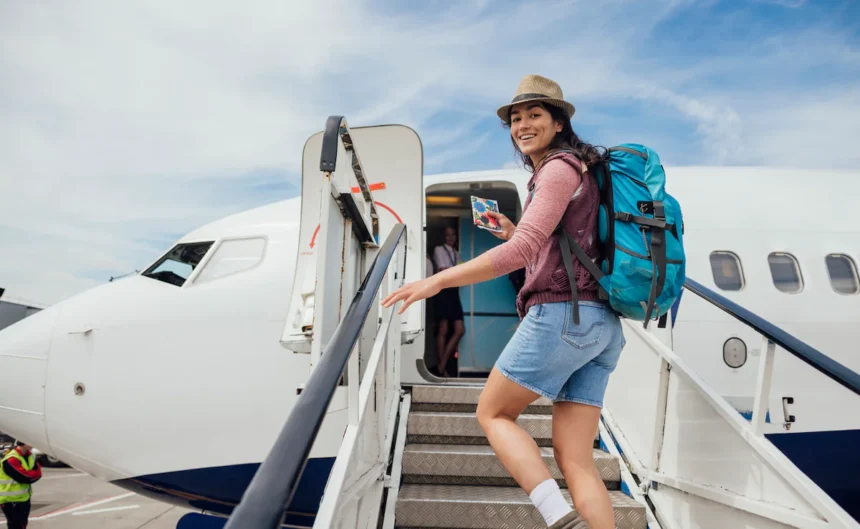
Arrive at the airport at least three hours before an international flight. International flights have more security checks and paperwork than domestic flights, so everything takes longer.
Keep your passport and boarding pass easily accessible. You will need to show them multiple times at the airport. Put them in the same pocket or bag compartment so you always know where they are.
During the flight, stay hydrated and move around occasionally. Airplane air is very dry, so drink plenty of water. Walk up and down the aisle every few hours to keep your blood flowing and reduce jet lag.
Fill out any immigration or customs forms you receive on the plane. This saves time when you land. Ask flight attendants if you need help with these forms.
Making the Most of Your International Experience
Once you arrive, take time to enjoy the experience. Try local foods, even if they look strange at first. Some of your best travel memories will come from meals you share with new friends or discover in small local restaurants.
Talk to local people when you can. Most people are happy to help travelers and share information about their home. Some of the best travel tips come from conversations with locals, not guidebooks.
Take lots of photos, but also put your phone down sometimes and just experience the moment. It is easy to spend your whole trip looking at screens. Make sure you actually see and experience the places you visit.
Be patient with yourself. Everything takes longer when you are in a new place. Getting lost is part of the adventure. Some of the best travel stories come from things that did not go according to plan.
Ready to plan your first international adventure? Visit MyTravelGuider.com for destination guides, packing lists, and expert travel advice that will make your first trip amazing.
Frequently Asked Questions About First-Time International Travel
How much money should I budget for my first international trip?
Your budget depends on where you go and how you like to travel. Generally, budget at least 50 to 100 dollars per day for affordable destinations, and 150 to 300 dollars per day for expensive countries. This covers accommodation, food, transportation, and activities. Always add extra money for emergencies and unexpected expenses.
Do I need travel insurance for international travel?
While not legally required, travel insurance is highly recommended for international trips. It protects you from expensive medical bills, trip cancellations, lost luggage, and other travel problems. Good travel insurance typically costs about five to ten percent of your total trip cost.
What happens if I lose my passport while traveling abroad?
If you lose your passport, contact your country’s embassy or consulate immediately. They can issue you an emergency travel document to get home. This is why keeping copies of your passport is so important. The process takes time, so report lost passports right away.
How early should I book my international flight?
The best time to book international flights is usually three to four months before your travel date. Booking too early or too late often means higher prices. Be flexible with your travel dates if possible, as flying on different days can save significant money.
Can I use my phone in other countries?
Yes, but international roaming charges from your home carrier can be very expensive. Better options include buying a local SIM card when you arrive, getting an international data plan from your carrier before you leave, or using portable wifi devices. Many hotels and restaurants also offer free wifi.
What should I do about jet lag on my first international trip?
To minimize jet lag, adjust your sleep schedule a few days before you travel to match your destination’s time zone. Stay hydrated during your flight, avoid alcohol and caffeine, and try to sleep on the plane if it is nighttime at your destination. Once you arrive, spend time outside in natural sunlight and try to stay awake until local bedtime.
Is it safe to drink tap water in other countries?
This depends entirely on your destination. In many developed countries, tap water is perfectly safe. In other places, you should only drink bottled water. Research this before you go. When in doubt, stick to bottled water and avoid ice in drinks, as ice is usually made from tap water.
How do I handle a language barrier in a foreign country?
Download translation apps before you travel and learn basic phrases in the local language. Use gestures and pictures to communicate when words fail. Most people are patient and willing to help travelers. Many tourist areas have English-speaking staff, and younger people in most countries often know some English.