

Thailand is a magical country that brings together stunning natural beauty and rich cultural heritage in one amazing package. If you love exploring green forests, beautiful temples, and experiencing local traditions, Thailand should be at the top of your travel list. This Southeast Asian gem offers everything from misty mountains to pristine beaches, ancient ruins to vibrant festivals, making it the perfect destination for travelers who want to experience both nature and culture.
- Why Thailand is Perfect for Nature and Culture Enthusiasts
- Chiang Mai – The Cultural Heart of Northern Thailand
- Krabi – Where Limestone Cliffs Meet Crystal Waters
- Ayutthaya – Ancient Ruins and Historical Wonders
- Khao Sok National Park – Rainforest Paradise
- Bangkok – Urban Culture Meets Natural Escapes
- Pai – Mountain Town with Natural Beauty
- Koh Samui – Tropical Island Culture
- Planning Your Thailand Nature and Culture Adventure
- Frequently Asked Questions
- What is the best month to visit Thailand for nature and culture?
- How many days do I need to see Thailand’s nature and culture highlights?
- Is Thailand safe for solo travelers interested in nature and culture?
- Do I need a guide to visit nature sites in Thailand?
- What should I pack for a nature and culture trip to Thailand?
- Can I visit Thailand on a budget while seeing nature and culture sites?
Many travelers find themselves torn between visiting natural wonders or cultural sites, but Thailand lets you enjoy both without compromise. The country has preserved its ancient traditions while protecting its natural environments, creating destinations where you can meditate in a mountain temple in the morning and kayak through limestone caves in the afternoon. Whether you are planning your first trip or returning for another adventure, understanding the best places to visit will help you make the most of your journey.
Why Thailand is Perfect for Nature and Culture Enthusiasts
Thailand stands out as one of the world’s most diverse travel destinations because it offers such a wide variety of experiences. The country has protected over fifteen percent of its land as national parks, which means you can explore jungles, waterfalls, and wildlife without traveling far from cultural attractions. Thai culture remains deeply connected to nature, with many temples built in forests or on mountains, creating a natural harmony between spiritual and natural experiences.
The local people in Thailand have maintained their traditions for centuries, and you will find this living culture everywhere you go. From morning monk processions to evening temple ceremonies, cultural experiences happen daily rather than just during special events. The Thai philosophy of respecting nature also means that many natural areas remain pristine and accessible to visitors who want to experience authentic wilderness.
Chiang Mai – The Cultural Heart of Northern Thailand
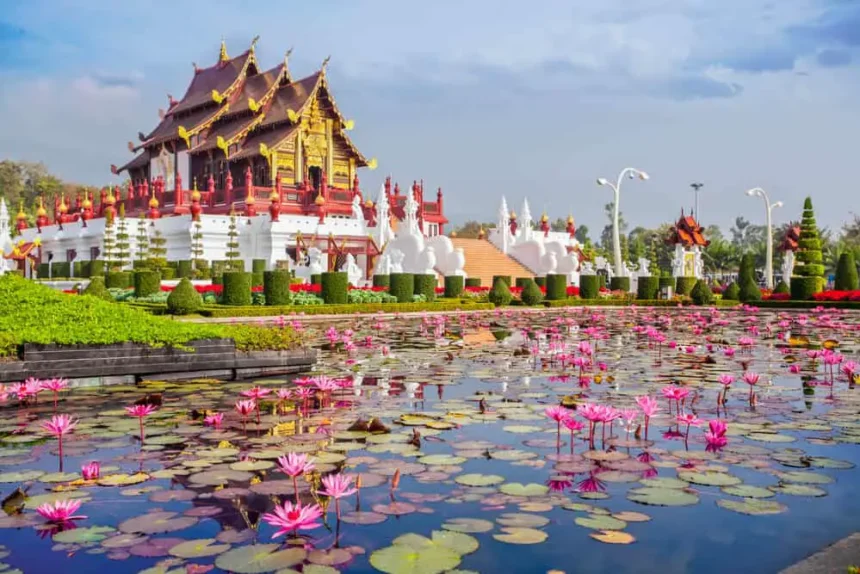
Chiang Mai serves as the perfect starting point for anyone wanting to experience northern Thailand’s unique blend of culture and nature. This city, surrounded by mountains and forests, hosts over three hundred Buddhist temples, each with its own history and architectural style. Walking through the old city, you will discover temples hidden in quiet lanes, local markets selling traditional crafts, and friendly people who maintain centuries-old customs.
The natural beauty around Chiang Mai rivals its cultural treasures. Just outside the city, Doi Suthep mountain rises with its golden temple visible from miles away. The journey to the temple takes you through thick forests where you might spot wildlife. Further from the city, you can visit elephant sanctuaries where these gentle giants roam in natural habitats, or trek through hill tribe villages where indigenous communities welcome visitors to learn about their traditional ways of life.
Chiang Mai’s night markets offer another cultural experience that connects to nature. Local artisans sell products made from natural materials, following traditional techniques passed down through generations. The food markets showcase northern Thai cuisine, which uses herbs and vegetables grown in the surrounding mountains, giving you a taste of how culture and nature intertwine in daily life.
Krabi – Where Limestone Cliffs Meet Crystal Waters
Krabi province represents Thailand’s most dramatic coastal landscape, where tall limestone cliffs rise straight from turquoise waters. This region offers some of the country’s best rock climbing, kayaking, and island hopping opportunities. The famous Railay Beach, accessible only by boat, sits surrounded by towering cliffs that create a natural amphitheater of beauty.
Beyond the stunning beaches, Krabi holds important cultural sites that many visitors miss. The Tiger Cave Temple requires climbing over twelve hundred steps, but the journey takes you through forest caves where monks meditate. At the top, you will find panoramic views and a chance to experience Buddhist practices in a natural setting. The climb itself becomes a cultural lesson in perseverance and mindfulness, values central to Thai Buddhism.
The mangrove forests of Krabi provide another unique experience where nature and local culture meet. Local fishermen use traditional methods to harvest seafood from these ecosystems, and you can join them to learn sustainable fishing practices. Kayaking through the mangroves at sunset offers peaceful moments where you can observe wildlife while understanding how local communities depend on and protect these natural areas.
Ayutthaya – Ancient Ruins and Historical Wonders
Ayutthaya, located just north of Bangkok, was once the capital of the Siamese Kingdom and one of the world’s largest cities. Today, the ancient ruins spread across an island formed by three rivers, creating a historical park where nature has begun reclaiming the temples. Cycling through the ruins, you will pass between crumbling prangs (towers) and Buddha statues wrapped in tree roots, experiencing how time and nature interact with human creations.
The temples of Ayutthaya tell stories of Thailand’s golden age, when the kingdom traded with countries around the world. Each temple complex shows different architectural styles, reflecting influences from various cultures while maintaining distinctive Thai elements. Visiting during sunrise or sunset gives you softer light for photography and fewer crowds, letting you appreciate the spiritual atmosphere that still lingers in these sacred spaces.
The rivers around Ayutthaya provide natural beauty that complements the historical sites. Boat tours around the island show you the ruins from water level, offering different perspectives and chances to see local river life. Fishermen still work these waters using traditional methods, and you might spot water monitors, the large lizards that live around the temples, basking in the sun on ancient stones.
Khao Sok National Park – Rainforest Paradise
Khao Sok National Park protects one of the world’s oldest rainforests, with some areas dating back over one hundred sixty million years. This makes the jungle here older than the Amazon rainforest, and the diversity of plants and animals reflects this ancient heritage. Staying in the park, you will wake to the sounds of gibbons calling and fall asleep to the chorus of tropical insects and frogs.
The park’s centerpiece, Cheow Lan Lake, was created by a dam and now features limestone karsts rising from emerald green water. Floating raft houses on the lake offer unique accommodation where you can kayak, swim, and explore caves during the day. At night, the lack of light pollution means you can see countless stars, an increasingly rare experience in our modern world.
Visiting Khao Sok also provides cultural insights into how Thai people traditionally lived with the forest. Local guides, many from nearby villages, share knowledge about medicinal plants, edible fruits, and animal behavior learned from generations of forest living. Some lodges offer cooking classes using forest ingredients, teaching you how Thai cuisine developed based on what nature provided.
Bangkok – Urban Culture Meets Natural Escapes
Bangkok might seem like pure city life, but the capital offers surprising natural spaces and cultural depth that many visitors overlook. The Grand Palace and surrounding temples represent Thai culture at its most refined, with detailed artwork and architecture that took generations to complete. Visiting these sites early in the morning helps you avoid crowds and experience the peaceful atmosphere before the tourist rush.
The city’s many parks and green spaces provide natural retreats within the urban environment. Lumphini Park, Bangkok’s largest green space, hosts monitor lizards that swim in the lakes and climb trees, creating an unexpected wildlife viewing opportunity in the city center. Early morning visits show you locals practicing tai chi, jogging, and doing outdoor aerobics, giving insight into how Thais maintain wellness through connection with nature.
Bangkok’s canal system, often called the Venice of the East, shows how the city developed around waterways. Taking a longtail boat through the canals reveals wooden houses built over water, floating markets, and waterside temples. This traditional way of life continues despite modern development, showing the resilience of Thai culture and the importance of water in Thai life.
For more tips on exploring Bangkok and other Thai cities, check out our complete Thailand travel guide where we share insider information about getting around and finding hidden gems.
Pai – Mountain Town with Natural Beauty
Pai, a small town in northern Thailand, has become popular with travelers seeking a relaxed atmosphere surrounded by mountains and valleys. The journey to Pai takes you through hundreds of curves as the road climbs into the mountains, but the destination rewards you with cool air, natural hot springs, and waterfalls. The town itself maintains a laid-back vibe where you can rent a scooter and explore the countryside at your own pace.
The natural attractions around Pai include several beautiful waterfalls that flow year-round. Mo Paeng Waterfall and Pam Bok Waterfall both offer swimming opportunities in natural pools surrounded by jungle. The White Buddha statue sitting on a hilltop provides sunset views over the valley, combining spiritual and natural beauty in one peaceful location.
Pai’s cultural scene reflects both traditional Thai culture and modern hippie influences. The walking street market each evening sells handmade crafts, organic products, and international food alongside traditional Thai dishes. Local hill tribe villages near Pai welcome visitors who want to learn about different ethnic groups and their unique traditions, adding cultural depth to your mountain adventure.
Koh Samui – Tropical Island Culture
Koh Samui, one of Thailand’s largest islands, balances resort development with natural beauty and cultural sites. The famous Big Buddha statue, standing twelve meters tall, serves as the island’s main landmark and an important religious site for locals. Visiting the temple complex around the Big Buddha lets you observe daily worship and gain understanding of Buddhist practices.
The island’s interior holds hidden waterfalls and jungle trails that most beach-focused tourists miss. Na Muang Waterfall, the tallest on the island, requires a short hike through tropical forest where you can cool off in the natural pool at the base. These natural areas show you the island before tourism development and provide habitat for wildlife including various bird species and butterflies.
Traditional fishing villages on Koh Samui’s quieter coasts maintain cultural practices that have sustained islanders for generations. Visiting these villages during the day shows you how locals build traditional boats, prepare seafood, and live simple lives connected to the sea. Some villages offer homestay experiences where you can learn fishing techniques and traditional cooking methods directly from local families.
Planning Your Thailand Nature and Culture Adventure
Creating the perfect Thailand itinerary depends on how much time you have and what experiences matter most to you. Most travelers find that spending at least two weeks allows them to experience both northern and southern regions without rushing. Starting in Bangkok gives you cultural orientation before heading north to Chiang Mai and Pai for mountains and temples, then flying south to explore islands and coastal areas.
The best time to visit Thailand for nature lovers runs from November through February when temperatures stay cooler and rainfall decreases. This period offers ideal conditions for hiking, temple exploring, and beach activities. However, visiting during the green season from June through October means fewer tourists, lower prices, and lush landscapes, though you should prepare for afternoon rain showers.
Transportation in Thailand works well for independent travelers, with buses, trains, and domestic flights connecting major destinations. Renting scooters gives you freedom in smaller towns like Pai and on islands, though always drive carefully and wear helmets. Many travelers also enjoy joining small group tours for specific activities like jungle treks or cooking classes, which provide expert guides and deeper cultural understanding.
Remember to dress respectfully when visiting temples by covering shoulders and knees. Most temples provide wraps if needed, but bringing appropriate clothing makes visits smoother. Learning a few Thai phrases like hello (sawasdee), thank you (khop khun), and beautiful (suay) helps you connect with locals and shows respect for the culture.
Frequently Asked Questions
What is the best month to visit Thailand for nature and culture?
The best months to visit Thailand are November through February when the weather stays cool and dry across most of the country. This period offers perfect conditions for both outdoor activities and temple visits. However, shoulder months like March and October can also be excellent with fewer crowds, though temperatures might be hotter or you might encounter occasional rain.
How many days do I need to see Thailand’s nature and culture highlights?
You should plan at least ten to fourteen days to experience both nature and culture in Thailand properly. This gives you time for northern regions like Chiang Mai, central areas including Bangkok and Ayutthaya, and southern beaches or islands. Three weeks allows for a more relaxed pace and the chance to explore smaller destinations like Pai or Khao Sok in depth.
Is Thailand safe for solo travelers interested in nature and culture?
Yes, Thailand is very safe for solo travelers, including those visiting natural areas and cultural sites. Thai people are generally helpful and welcoming to tourists. However, you should always take normal precautions like avoiding isolated areas after dark, keeping valuables secure, and informing someone of your plans when trekking. Many solo travelers find Thailand one of the easiest countries for independent exploration.
Do I need a guide to visit nature sites in Thailand?
You do not always need a guide, as many nature sites and cultural attractions are accessible independently. However, hiring local guides for activities like jungle trekking, wildlife watching, or visiting remote villages greatly enhances your experience. Guides provide safety, share knowledge about plants and animals, explain cultural practices, and support local communities through sustainable tourism.
What should I pack for a nature and culture trip to Thailand?
Pack lightweight, breathable clothing that covers shoulders and knees for temple visits, comfortable walking shoes, a rain jacket, sunscreen, insect repellent, and a reusable water bottle. Bring modest swimwear for beaches, a small backpack for day trips, and any prescription medications you need. A flashlight or headlamp proves useful in rural areas, and a power bank keeps your devices charged during long days exploring.
Can I visit Thailand on a budget while seeing nature and culture sites?
Absolutely! Thailand offers excellent value for budget travelers who want to experience both nature and culture. Accommodation ranges from cheap hostels to mid-range guesthouses. Street food costs very little and tastes amazing. Many temples have free or minimal entrance fees, and natural sites like beaches and some national parks are affordable. Local transportation by bus or train costs much less than flying, and you can find budget tours for most activities.
Thailand truly deserves its reputation as a destination where nature and culture come together beautifully. Every region offers unique experiences that combine natural wonders with cultural depth, making each day of your journey memorable. Whether you find yourself watching sunrise over ancient temple ruins, trekking through prehistoric rainforest, or sharing a meal with a local family in a mountain village, Thailand creates moments that stay with you long after you return home.
Ready to start planning your Thailand adventure? Visit My Travel Guider for more detailed destination guides, travel tips, and itinerary planning tools that will help you create the perfect nature and culture journey through Thailand. Our expert advice and insider recommendations ensure you experience the very best this incredible country has to offer. Start exploring today and turn your Thailand dreams into reality!