

Iceland is a magical land where fire meets ice, and nowhere is this natural beauty more evident than in its stunning waterfalls. If you are planning a trip to this Nordic island nation, visiting these incredible water cascades should be at the top of your travel list. From powerful drops that thunder into deep canyons to gentle streams that cascade down moss-covered cliffs, Iceland offers some of the most breathtaking waterfall experiences in the world.
- Why Iceland Has So Many Waterfalls
- The Most Famous Iceland Waterfalls You Must Visit
- Hidden Gems and Lesser-Known Waterfalls
- Best Time to Visit Iceland’s Waterfalls
- Important Safety Tips for Visiting Waterfalls
- How to Photograph Iceland’s Waterfalls Like a Pro
- Planning Your Iceland Waterfall Road Trip
- What to Bring When Visiting Iceland Waterfalls
- The Environmental Impact and How to Be a Responsible Visitor
- Frequently Asked Questions About Iceland Waterfalls
This guide will take you through everything you need to know about Iceland’s waterfalls, helping you plan the perfect waterfall adventure on this remarkable island.
Why Iceland Has So Many Waterfalls
Iceland is home to hundreds of waterfalls, and there are some fascinating reasons why this small island nation has such an abundance of these natural wonders. The country receives a lot of rainfall and snowfall throughout the year, which creates plenty of water flowing across the landscape. When you combine this with Iceland’s unique volcanic terrain, steep mountains, and numerous glaciers, you get the perfect conditions for waterfall formation.
The island sits on top of volcanic activity, which has created dramatic landscapes with sudden drops and cliffs. When rivers and streams flow over these edges, they create spectacular waterfalls. Many of Iceland’s waterfalls are also fed by glacial meltwater, giving them a distinctive milky-blue color that looks absolutely stunning in photographs.
Another reason Iceland has so many waterfalls is its geology. The island is relatively young in geological terms, and erosion has carved out deep valleys and gorges where water can flow and drop dramatically. This combination of factors makes Iceland a true paradise for waterfall lovers and nature photographers.
The Most Famous Iceland Waterfalls You Must Visit
When you travel to Iceland, certain waterfalls have become iconic symbols of the country’s natural beauty. These famous cascades attract visitors from around the world, and each one offers something unique and special.
Gullfoss is probably the most famous waterfall in Iceland and for good reason. Located in the Golden Circle route, this massive two-tiered waterfall is simply breathtaking. The water drops 32 meters in two stages, creating a powerful display of nature’s force. On sunny days, you can often see beautiful rainbows forming in the mist, making it a photographer’s dream location.
Seljalandsfoss is another must-visit waterfall that offers a unique experience. What makes this 60-meter tall waterfall special is that you can actually walk behind the falling water. There is a path that takes you around the back of the cascade, offering a perspective that few waterfalls in the world can provide. Just remember to bring waterproof clothing because you will definitely get wet from the spray.
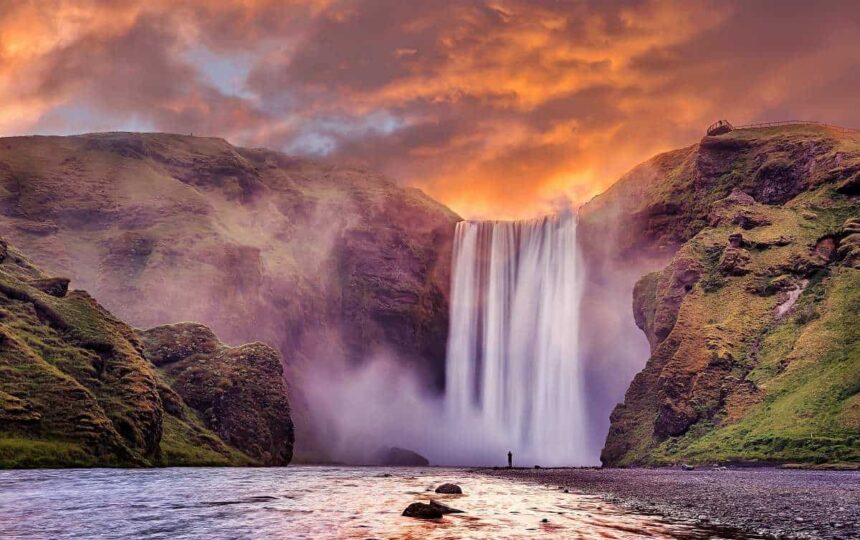
Skogafoss is one of the biggest and most powerful waterfalls in Iceland. With a width of 25 meters and a drop of 60 meters, this waterfall creates so much mist that you can often see double rainbows on sunny days. You can climb the stairs beside the waterfall to get a view from the top, which gives you a completely different perspective of this natural wonder.
Hidden Gems and Lesser-Known Waterfalls
While the famous waterfalls are certainly worth visiting, Iceland has many hidden waterfalls that offer equally stunning views without the crowds. These lesser-known cascades can provide a more peaceful and intimate experience with nature.
Gljufrabui is a secret waterfall hidden inside a narrow canyon near Seljalandsfoss. Most visitors miss this one because it is tucked away behind rock walls. To see it, you need to wade through a shallow stream and enter the canyon, where you will find this beautiful waterfall in a magical hidden grotto.
Dynjandi is located in the remote Westfjords region and is considered by many locals to be Iceland’s most beautiful waterfall. This cascade tumbles down in multiple tiers over 100 meters, creating a bridal veil effect. Because the Westfjords are less visited, you can often have this spectacular waterfall all to yourself.
Aldeyjarfoss is another hidden treasure in North Iceland. What makes this waterfall unique is the stunning basalt column formations surrounding it. The dark volcanic rock creates a dramatic contrast with the white water, making it a favorite spot for photographers who want something different from the typical Iceland waterfall photos.
Best Time to Visit Iceland’s Waterfalls
The time of year you visit Iceland will greatly affect your waterfall experience. Each season offers different advantages and creates unique conditions around these natural wonders.
Summer months from June to August provide the longest daylight hours, sometimes with nearly 24 hours of sunlight. This extended daylight gives you more time to explore multiple waterfalls in one day. The weather is also milder, and most roads and paths are accessible. However, summer is also peak tourist season, so popular waterfalls can get crowded.
Winter brings a completely different experience to Iceland’s waterfalls. From November to March, some waterfalls partially freeze, creating incredible ice formations and icicles. The shorter daylight hours and snow can make access more challenging, but if you can manage it, winter waterfalls offer some of the most magical and unique photo opportunities. You might also catch the Northern Lights dancing above a frozen waterfall, creating an unforgettable scene.
Spring and autumn are shoulder seasons that offer good compromises. You will find fewer tourists, reasonable weather conditions, and waterfalls flowing at good volumes from spring melt or autumn rains. These seasons can provide the best overall experience for many travelers.
Important Safety Tips for Visiting Waterfalls
While Iceland’s waterfalls are beautiful, they can also be dangerous if you do not follow proper safety guidelines. The power of falling water should never be underestimated, and the wet rocks around waterfalls can be extremely slippery.
Always stay on marked paths and behind safety barriers. These are placed there for your protection, and venturing beyond them can put you in serious danger. The rocks near waterfalls are often covered in moss and spray, making them as slippery as ice. Many accidents happen when visitors try to get closer for a better photo.
Weather in Iceland can change very quickly, so always check forecasts before heading out. Wind near waterfalls can be strong enough to knock you off balance, especially at the top of high waterfalls. Rain can make paths treacherous, and in winter, ice adds another layer of danger.
Wear appropriate footwear with good grip. Regular sneakers or dress shoes are not suitable for waterfall visits. You need proper hiking boots or shoes with good traction. Waterproof clothing is also essential because you will get wet from the spray, especially at powerful waterfalls like Skogafoss or Dettifoss.
How to Photograph Iceland’s Waterfalls Like a Pro
Iceland’s waterfalls offer incredible photography opportunities, but capturing their beauty requires some knowledge and technique. Even if you are not a professional photographer, following a few simple tips can help you take amazing waterfall photos.
Timing is everything when photographing waterfalls. The best light typically occurs during golden hour, which is the hour after sunrise and before sunset. However, overcast days can actually be ideal for waterfall photography because the soft, diffused light prevents harsh shadows and bright highlights.
Using a slower shutter speed creates that silky, smooth water effect you see in professional waterfall photos. To achieve this, you will need to use a tripod to keep your camera steady. A shutter speed between one and four seconds usually works well, but you may need to experiment to find what looks best for each specific waterfall.
Consider bringing a polarizing filter if you have one. This helps reduce glare from wet rocks and can make colors appear more vibrant. It also helps manage the bright white water against darker rocks. If you visit in summer when there is lots of light, a neutral density filter can help you achieve slower shutter speeds even in bright conditions.
Planning Your Iceland Waterfall Road Trip
Many of Iceland’s most beautiful waterfalls can be visited as part of a road trip around the island. Planning your route carefully will help you see the most impressive cascades without wasting time or missing hidden gems.
The Ring Road, which circles the entire island, passes near many major waterfalls. This makes it easy to include waterfall stops as part of a broader Iceland adventure. You can rent a car and create your own itinerary, or join organized tours that focus specifically on waterfall photography or nature exploration.
Consider spending at least seven to ten days if you want to see a good variety of waterfalls around the entire island. This gives you time to visit both famous spots and venture off the beaten path to discover lesser-known cascades. If you have less time, focus on one or two regions like the South Coast or Golden Circle, which have high concentrations of accessible waterfalls.
Some waterfalls require short hikes to reach, while others are visible right from the parking area. Research each waterfall before you visit so you know what to expect and can pack accordingly. Websites like mytravelguider.com offer detailed information about Iceland travel destinations and can help you plan the perfect waterfall itinerary for your trip.
What to Bring When Visiting Iceland Waterfalls
Having the right gear can make the difference between an enjoyable waterfall visit and an uncomfortable experience. The weather in Iceland is notoriously unpredictable, so being prepared is essential.
Waterproof jacket and pants are absolutely necessary. Even on days that start sunny, you can encounter rain, and the spray from waterfalls will get you wet regardless of the weather. Choose quality waterproof gear rather than water-resistant items, as there is a big difference in how well they protect you.
Bring layers of warm clothing because it can be cold even in summer, especially near waterfalls where the spray cools the air. A warm fleece or wool sweater under your waterproof jacket will keep you comfortable. Gloves and a hat are good ideas even outside of winter months.
Sturdy hiking boots with good ankle support and grip are essential. The terrain around waterfalls is often uneven and slippery. Your boots should be waterproof or at least water-resistant. Bringing an extra pair of socks in your bag is also smart in case your feet get wet.
The Environmental Impact and How to Be a Responsible Visitor
As Iceland’s waterfalls become more popular with tourists, it is important to visit responsibly and minimize your environmental impact. These natural wonders need protection so future generations can enjoy them too.
Stay on designated paths and do not create new trails. When people walk off established paths, they damage the fragile moss and vegetation that can take decades to grow back in Iceland’s harsh climate. This moss is important for preventing erosion and maintaining the landscape’s beauty.
Never leave trash behind, and if you see litter left by others, consider picking it up. The principle of leaving no trace is especially important in natural areas like waterfalls. Bring a small bag for your waste and dispose of it properly in designated bins.
Respect local regulations and private property. Some waterfalls are on private land where landowners have kindly allowed public access. Follow any posted signs and guidelines to ensure continued access for everyone. If a waterfall area is closed for safety or environmental reasons, respect these closures even if you think it would be safe.
Frequently Asked Questions About Iceland Waterfalls
How many waterfalls are in Iceland?
Iceland has hundreds of waterfalls, with estimates ranging from several hundred to over ten thousand if you count every small cascade. The exact number is hard to determine because new waterfalls can form from glacial melt and some are seasonal, only appearing during heavy rainfall or spring runoff.
Can you swim in Iceland’s waterfalls?
While the idea might sound appealing, swimming in Iceland’s waterfalls is generally not safe and is strongly discouraged. The water is extremely cold year-round, often just a few degrees above freezing because it comes from glacial melt. The currents can be strong and unpredictable, and rocks can be sharp and slippery. There are much safer places to swim in Iceland, such as the many geothermal pools and hot springs.
Do you need a 4×4 vehicle to visit waterfalls in Iceland?
For most of the famous waterfalls along the Ring Road and Golden Circle, a regular 2WD car is perfectly fine during summer months. However, if you plan to visit remote waterfalls on F-roads (mountain roads) or travel in winter conditions, a 4×4 vehicle is necessary and sometimes legally required. Always check road conditions before setting out and choose your vehicle based on your planned route and season.
Are Iceland’s waterfalls free to visit?
Most waterfalls in Iceland are free to visit, though you may need to pay for parking at some popular locations. The parking fees help maintain facilities and paths. Some waterfalls on private property might have a small entrance fee, but these are rare. Always have some cash or cards ready for parking meters.
What is the most powerful waterfall in Iceland?
Dettifoss holds the title of Europe’s most powerful waterfall in terms of water volume. Located in Northeast Iceland in Vatnajokull National Park, this massive waterfall is 100 meters wide and drops 44 meters. The sheer volume and force of the water creates a thunderous roar that you can hear from far away, and the ground literally shakes from the power of the falling water.
Planning your Iceland waterfall adventure is an exciting experience that promises memories to last a lifetime. These natural wonders showcase the raw beauty and power of nature in ways that few places on Earth can match. Whether you stick to the famous waterfalls or venture off to discover hidden cascades, each waterfall offers its own unique charm and beauty.
Ready to start planning your Iceland adventure? Visit mytravelguider.com for more detailed travel guides, tips, and inspiration for your next journey. From practical advice on where to stay and what to pack, to insider tips on the best photo spots and hidden gems, we have everything you need to make your Iceland waterfall trip unforgettable. Start exploring our Iceland travel resources today and turn your waterfall dreams into reality.